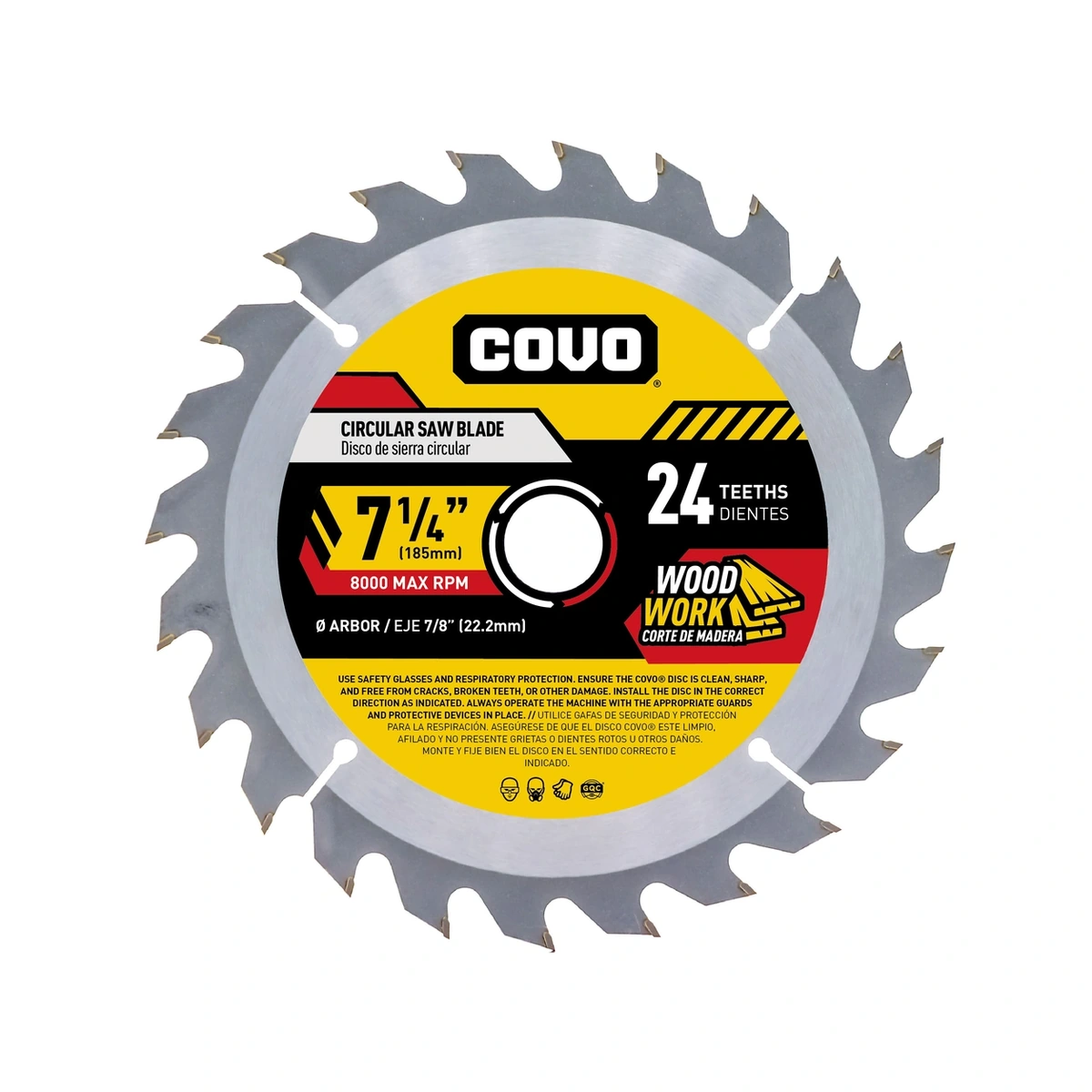
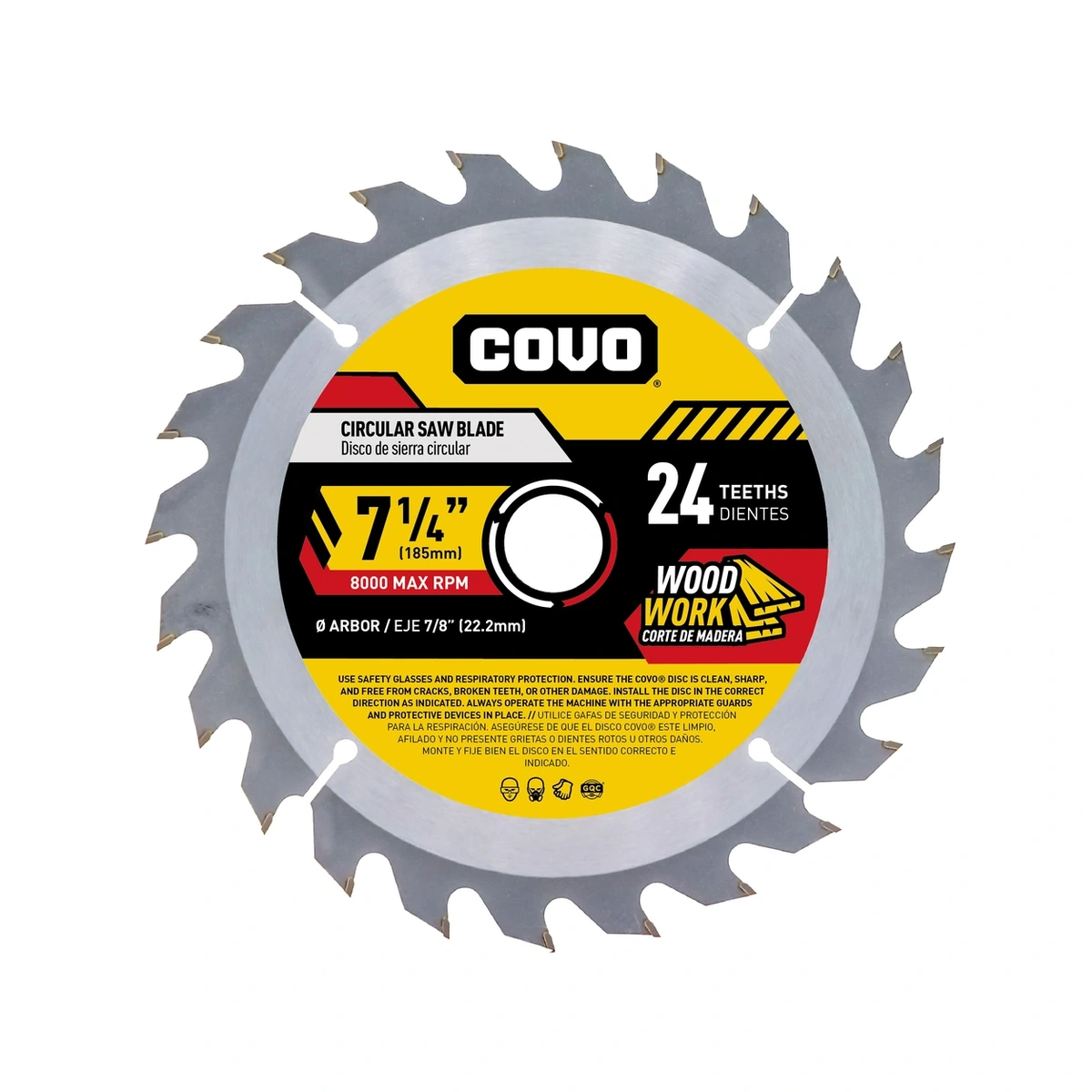
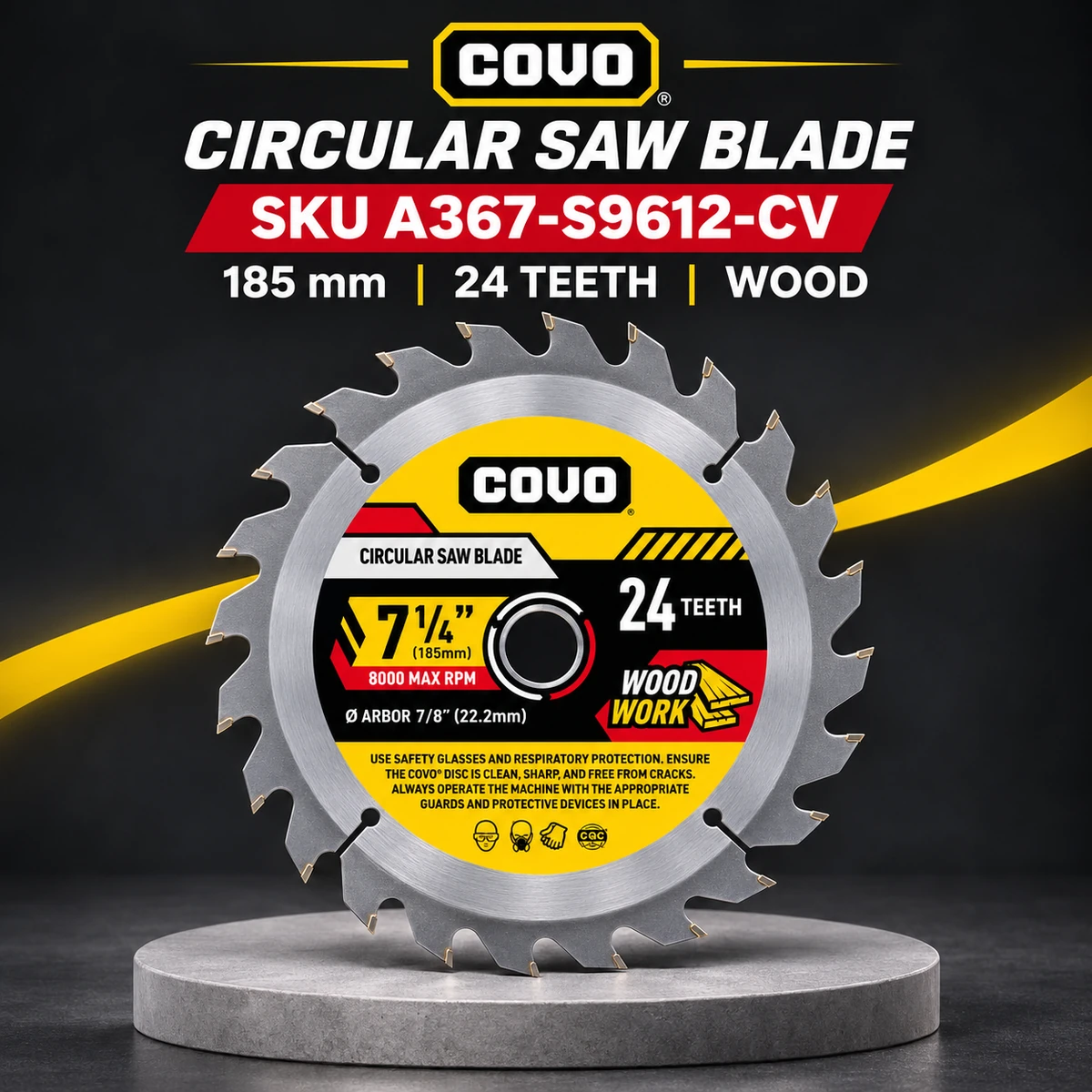
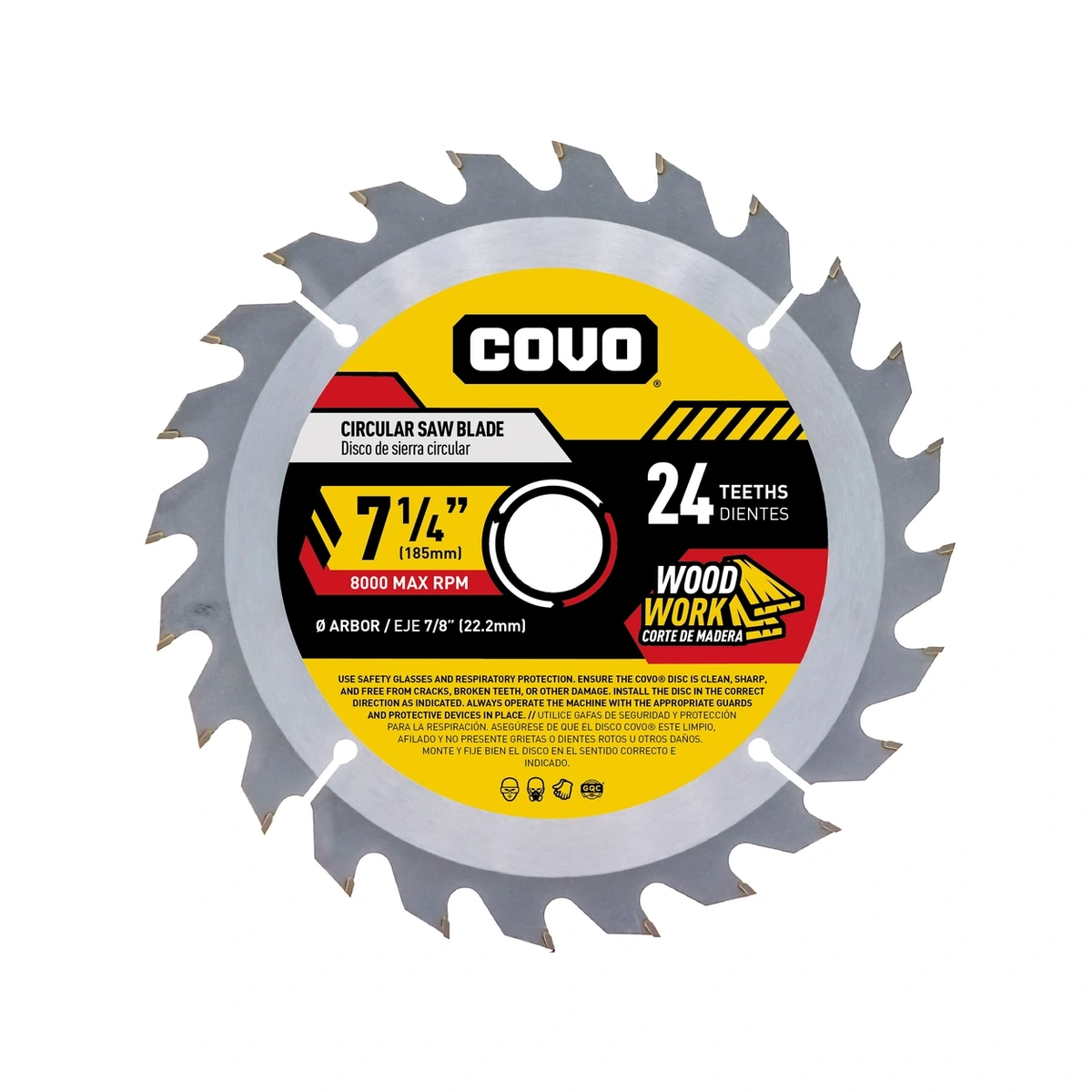
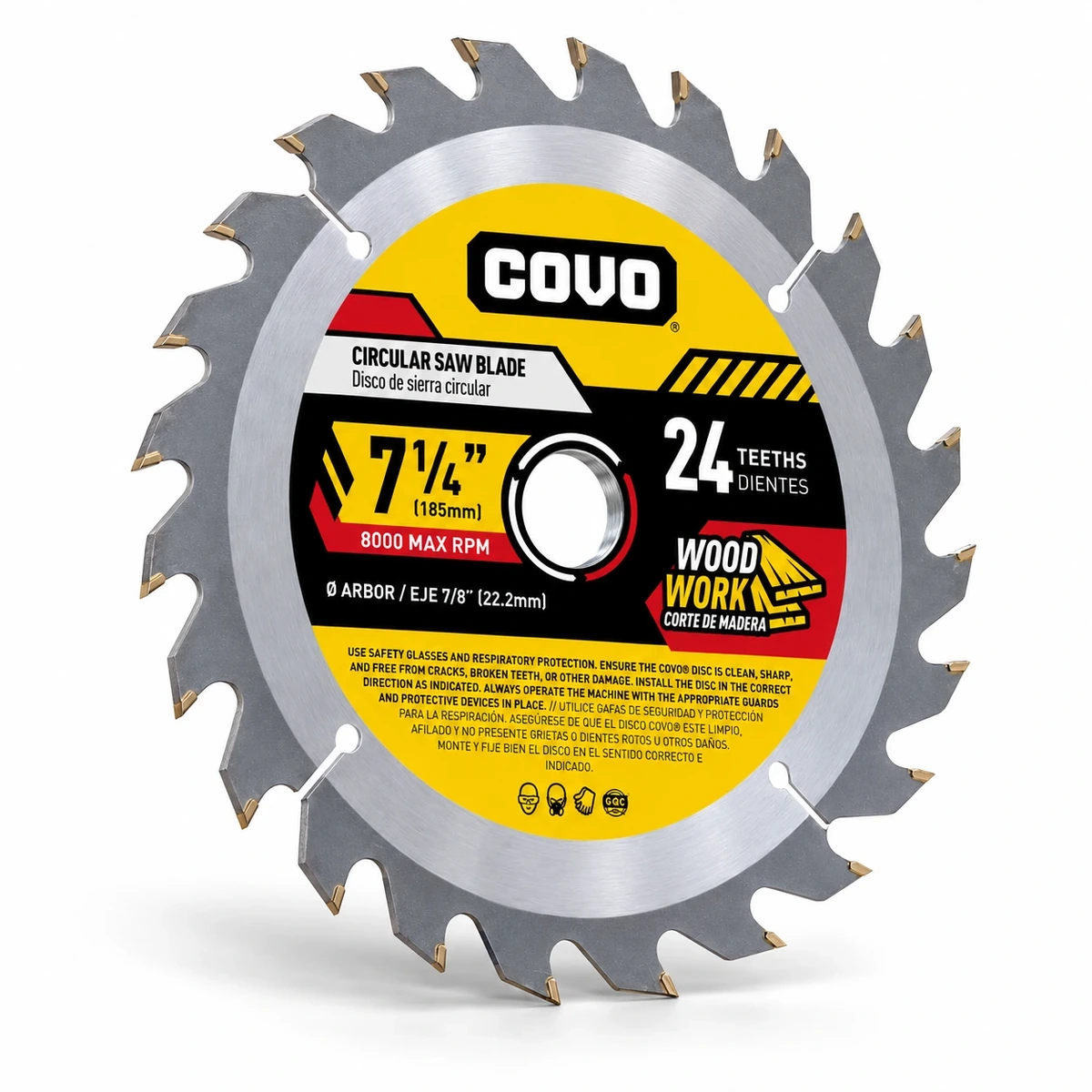
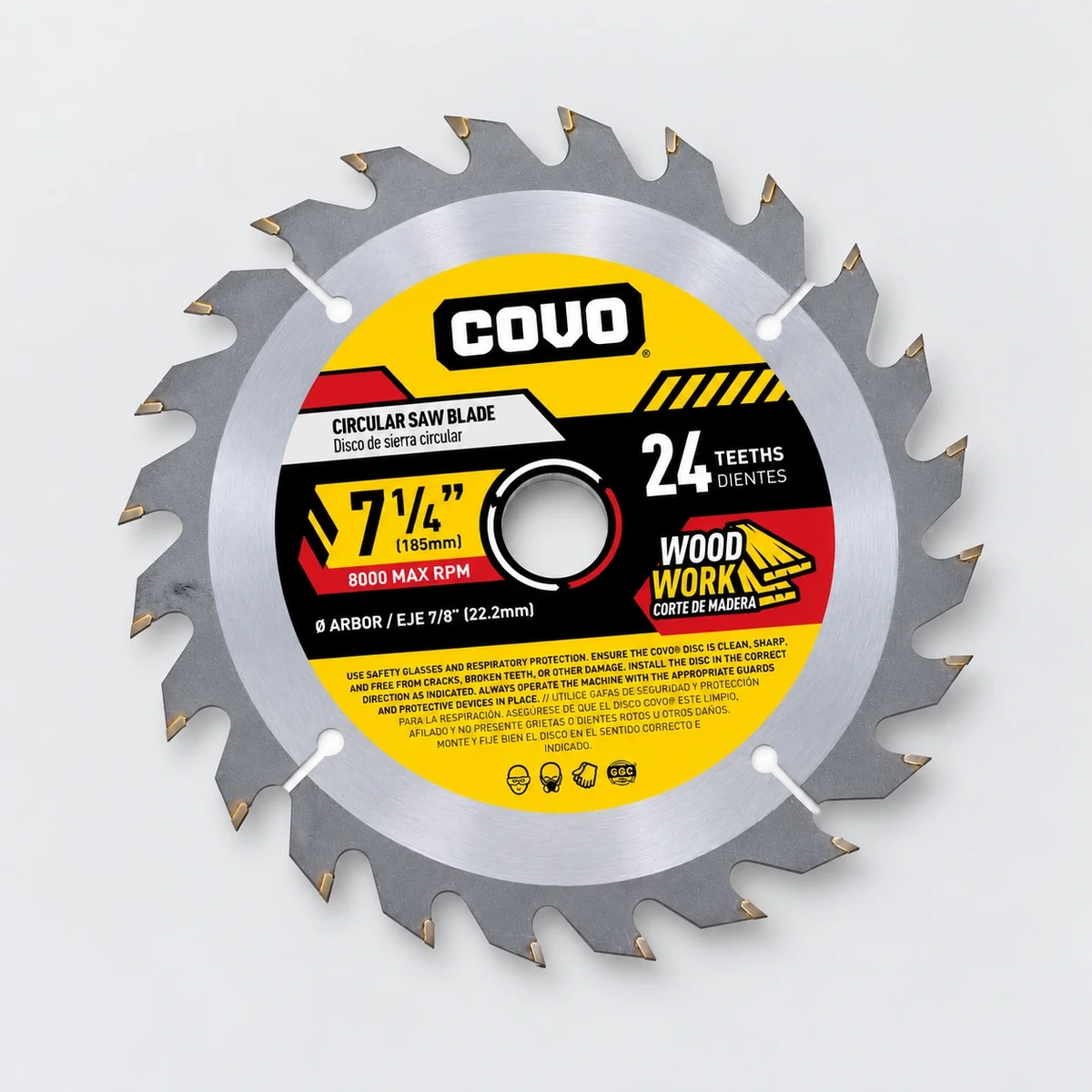
Product Specifications
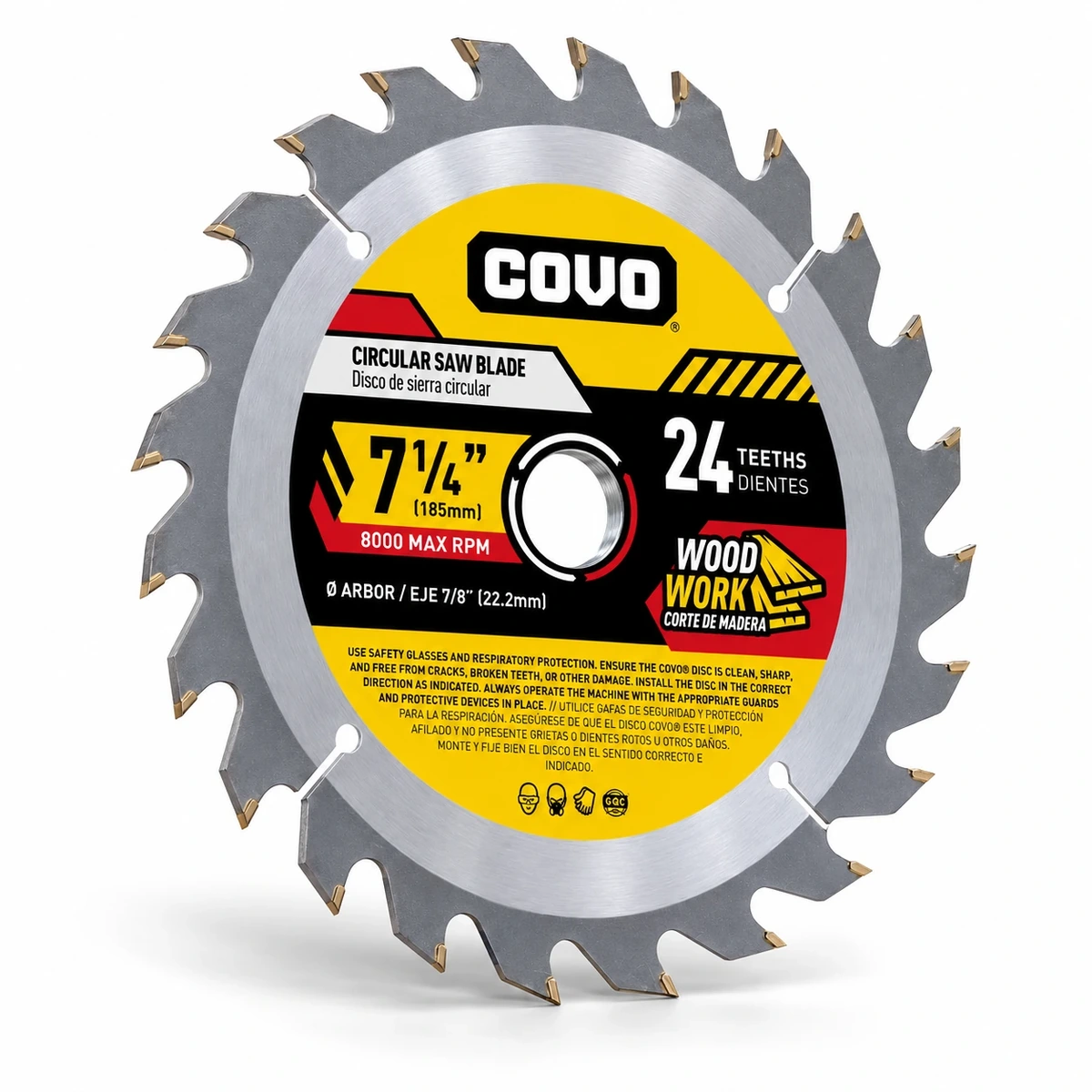
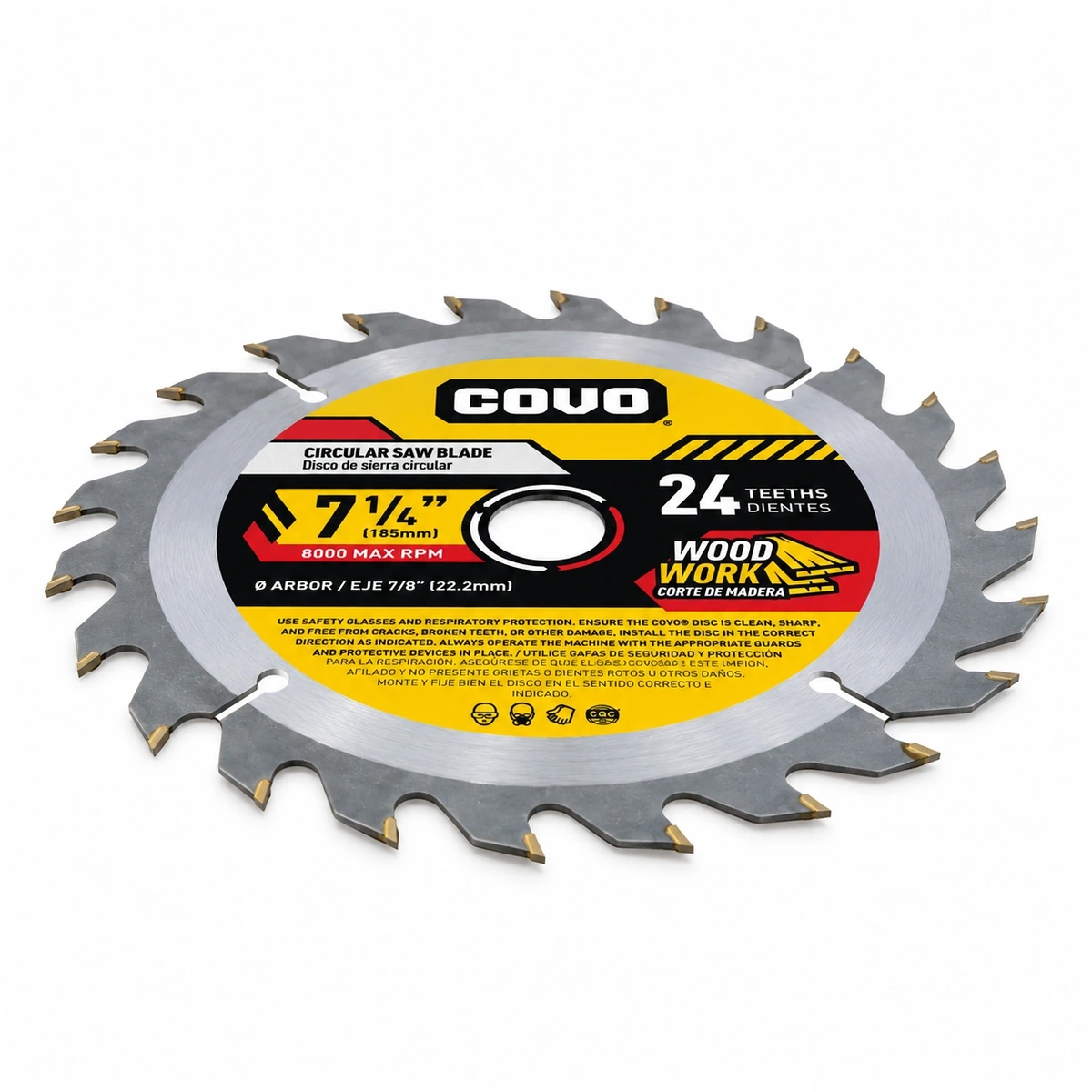
Specification | Details |
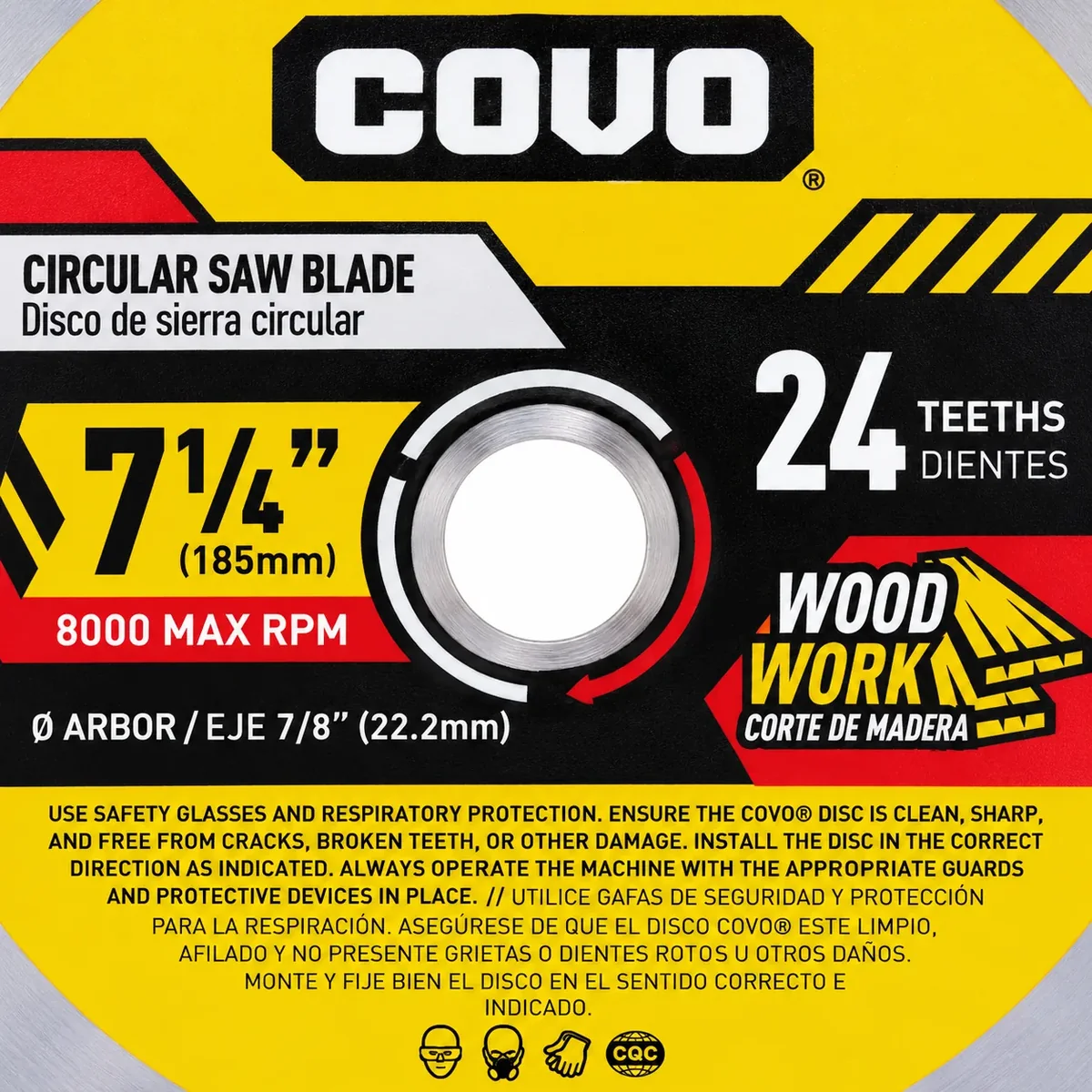
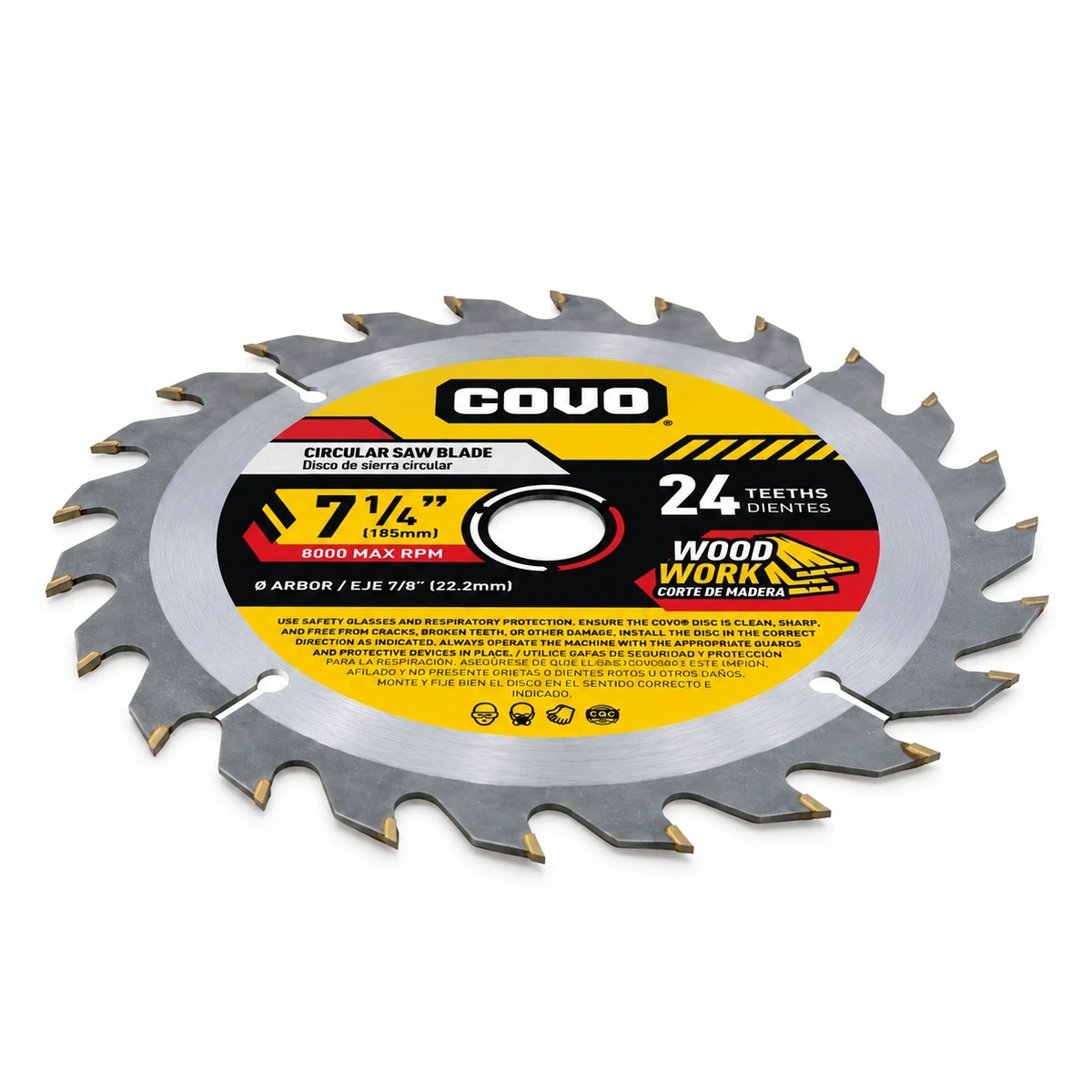
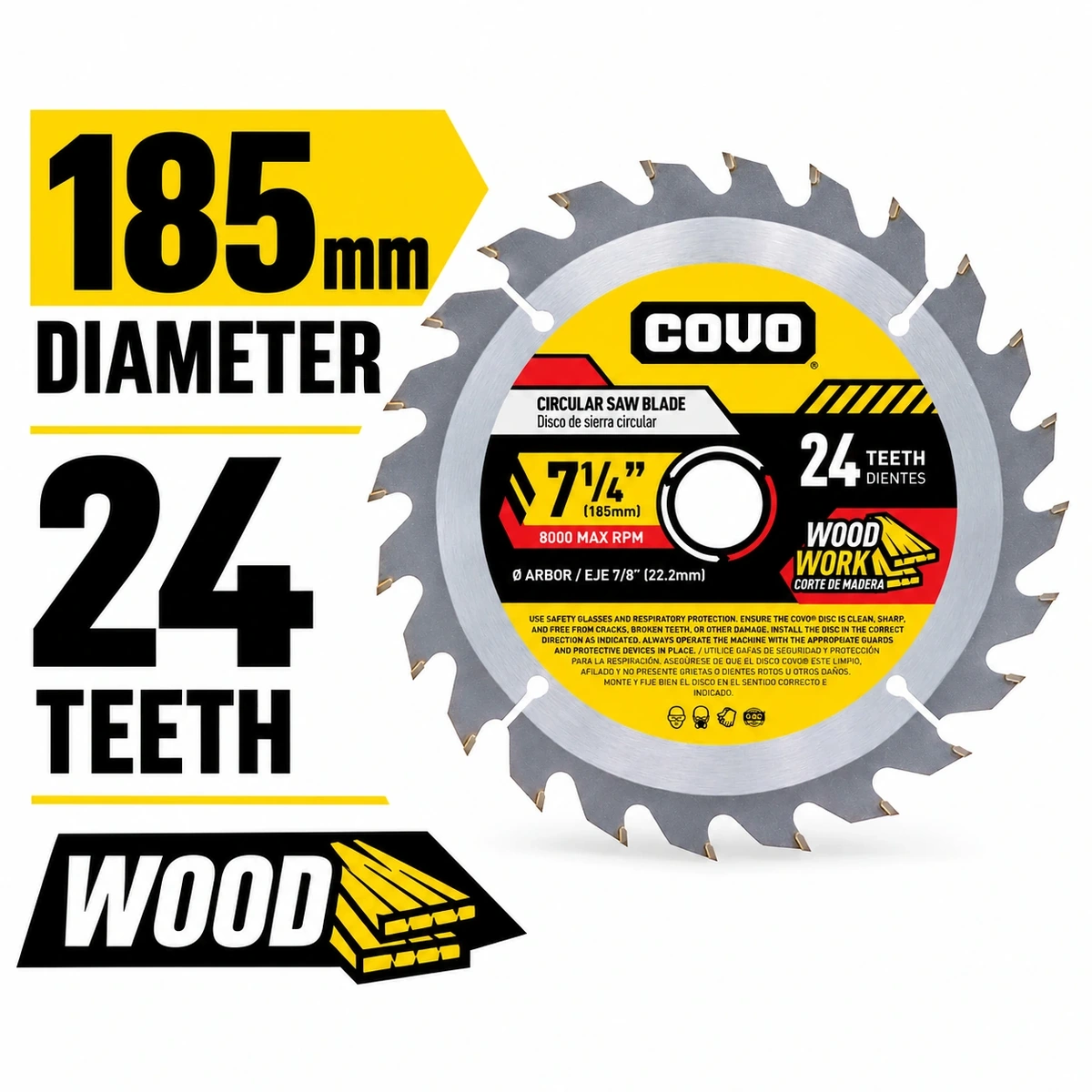
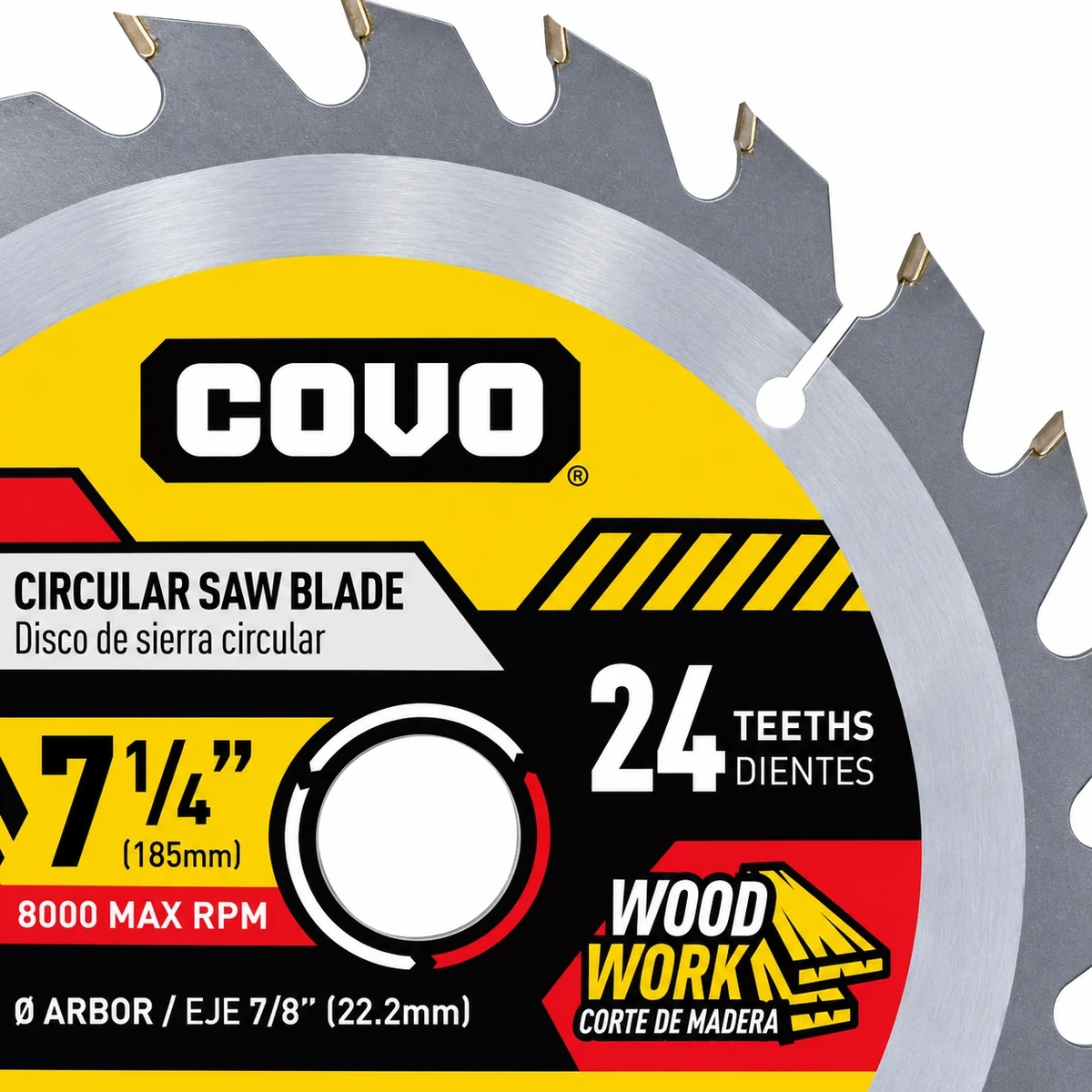
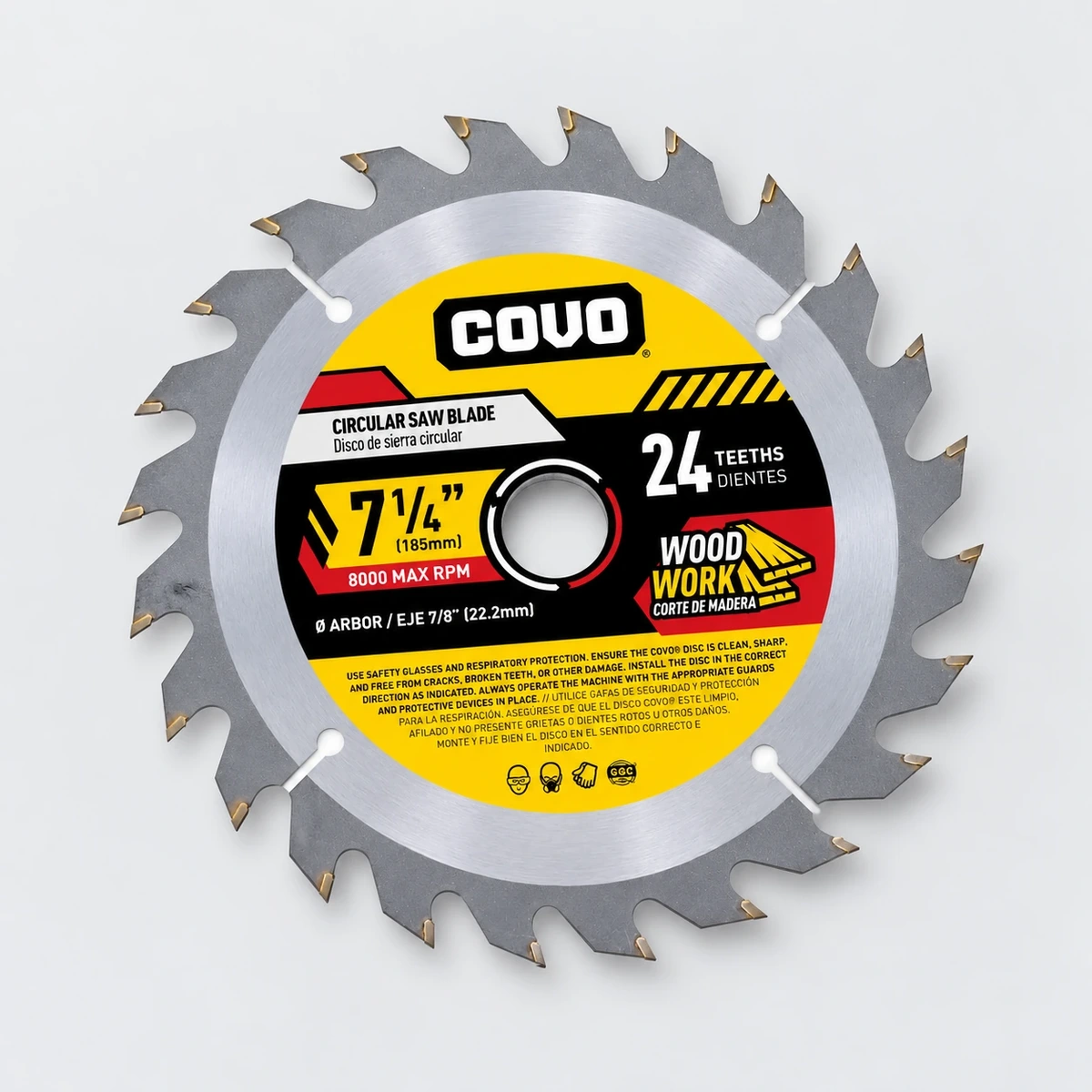
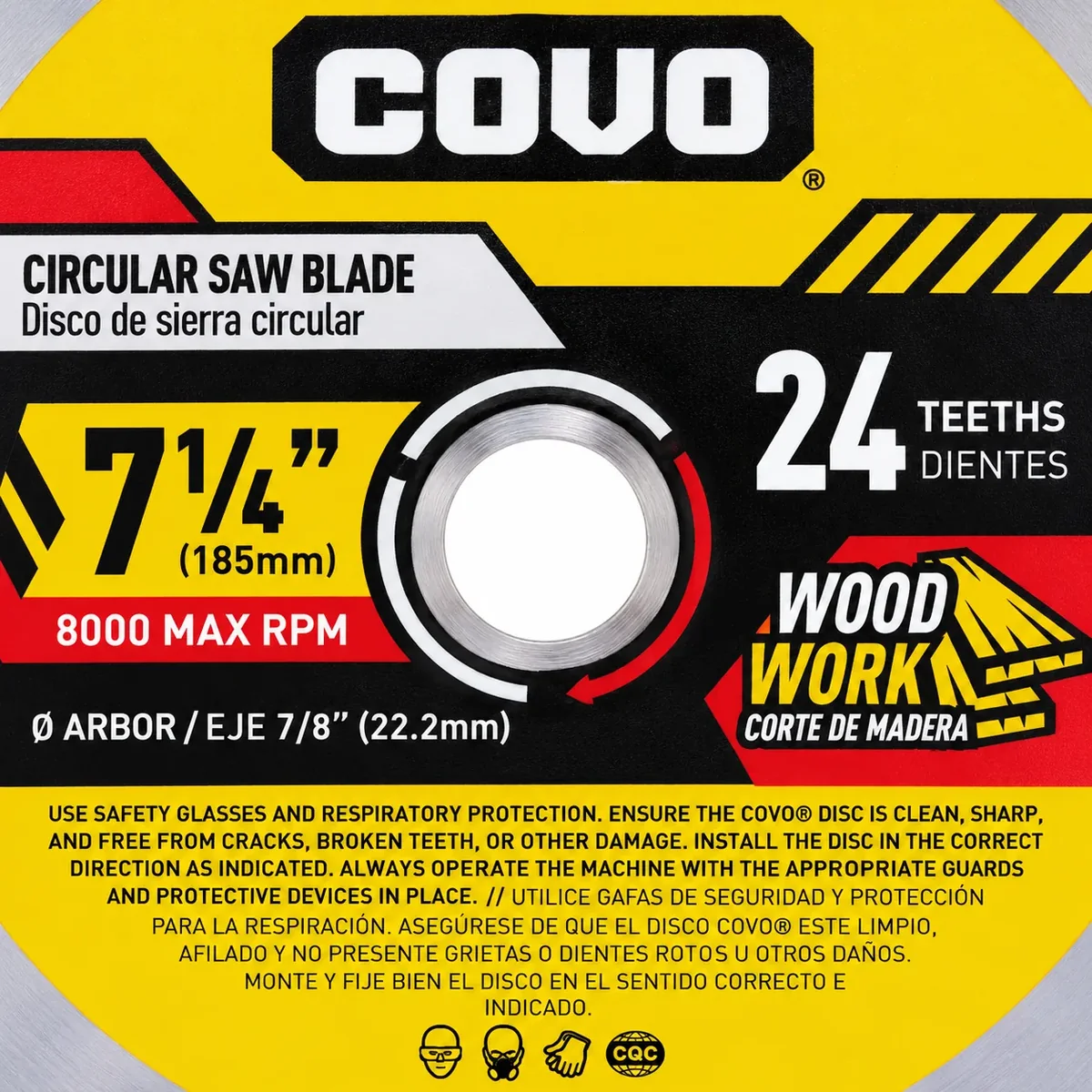
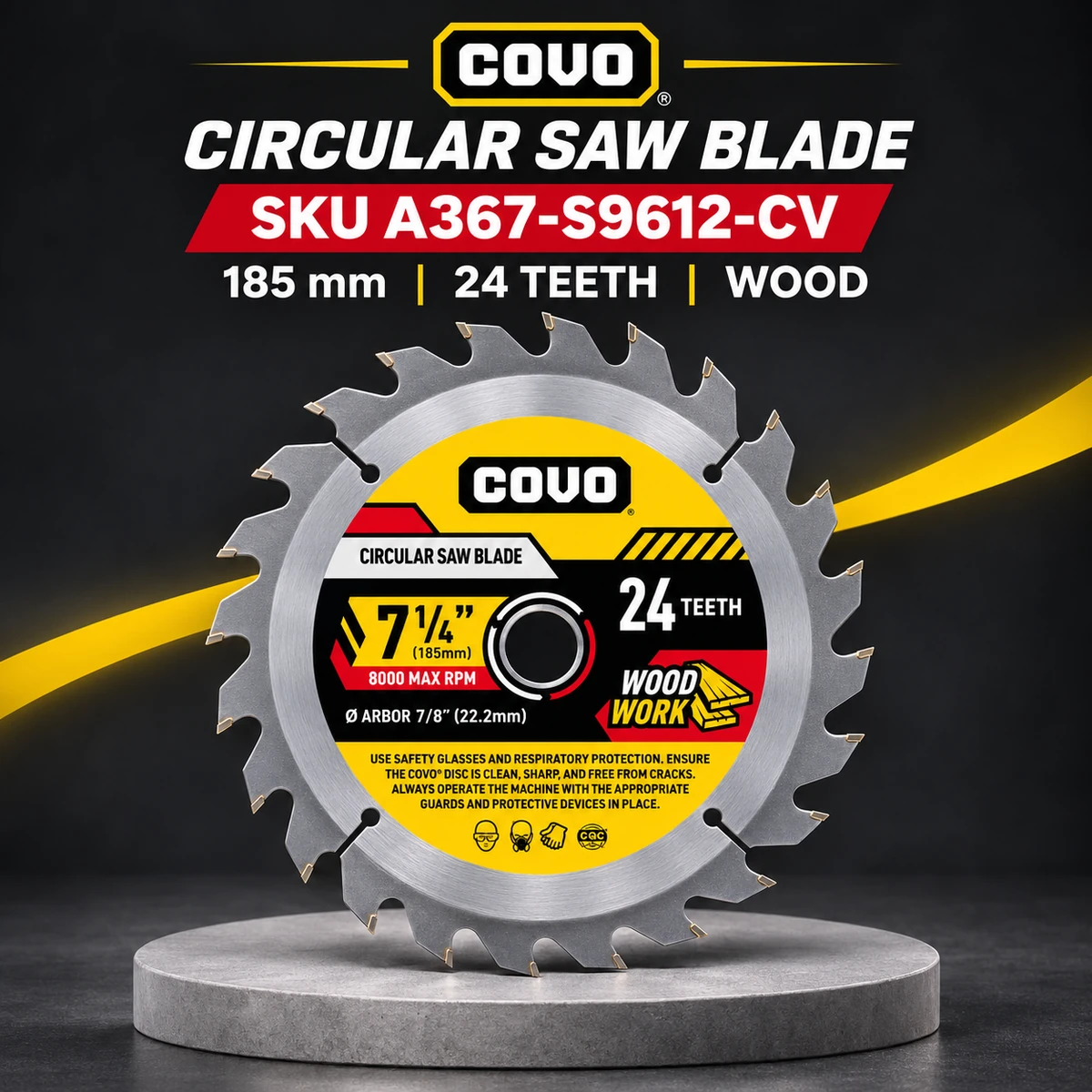
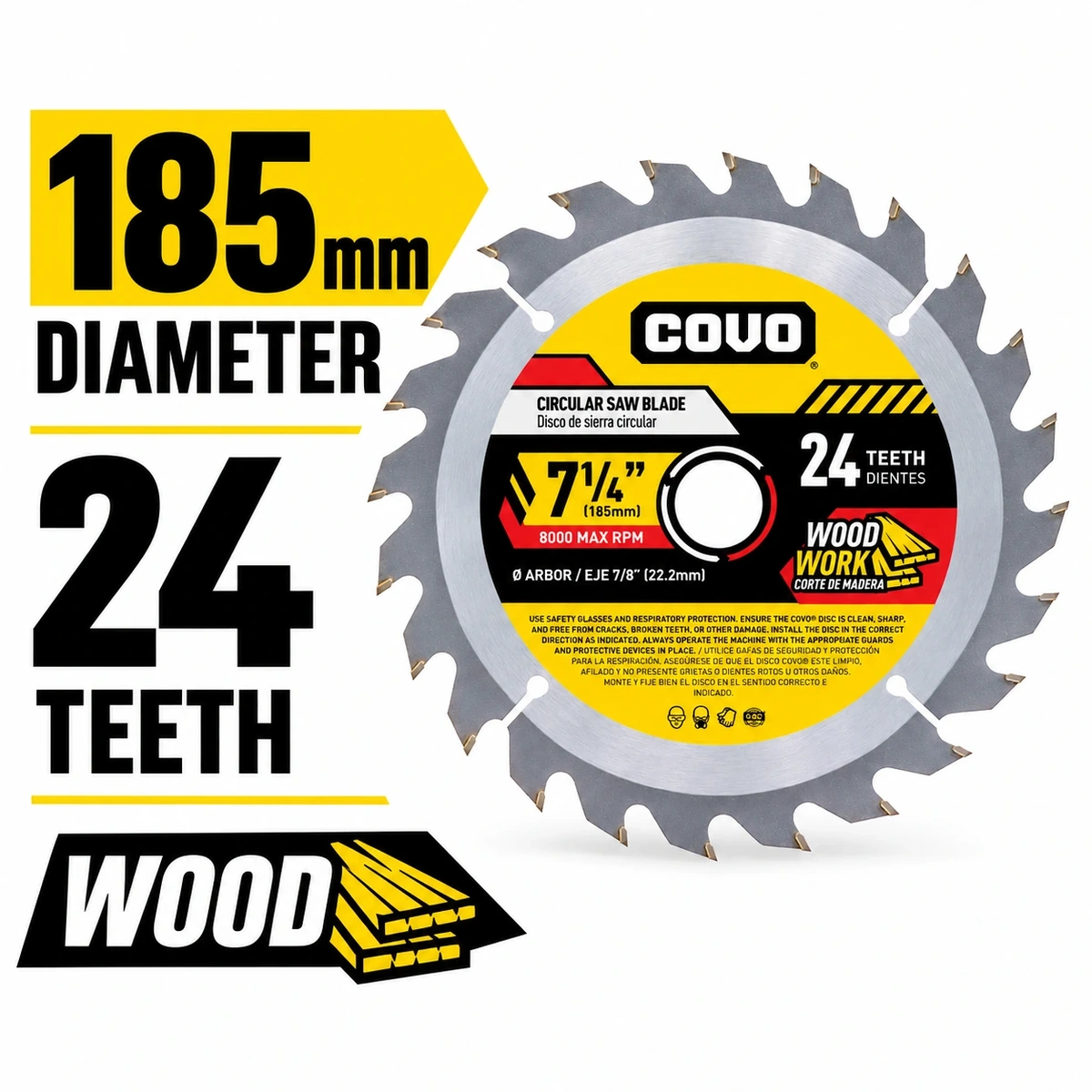
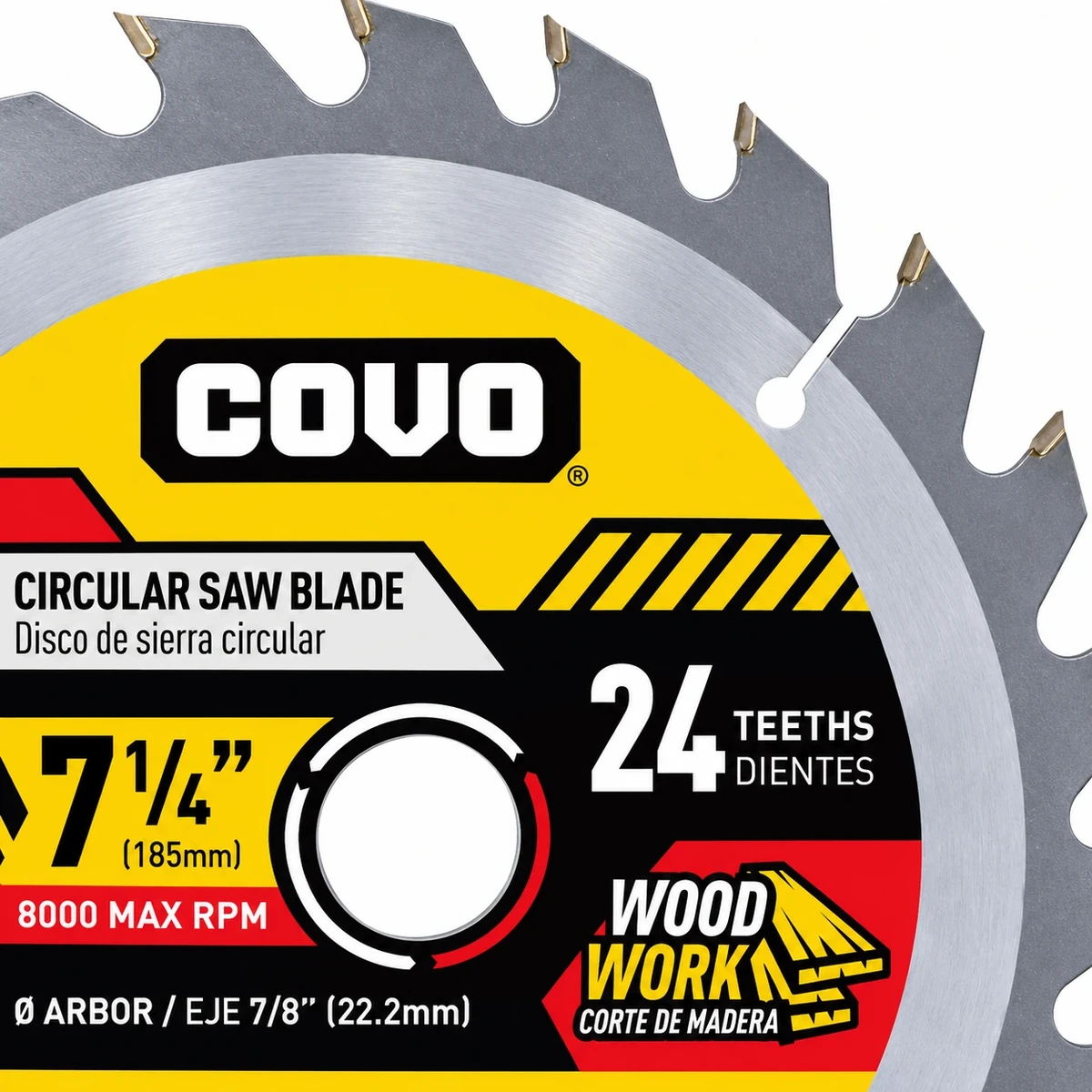
Blade Diameter | 185mm / 7‑1/4″ |
Number of Teeth | 24T |
Arbor Size | 25.4mm / 1″ |
Kerf Width | 2.2mm / 5/64″ |
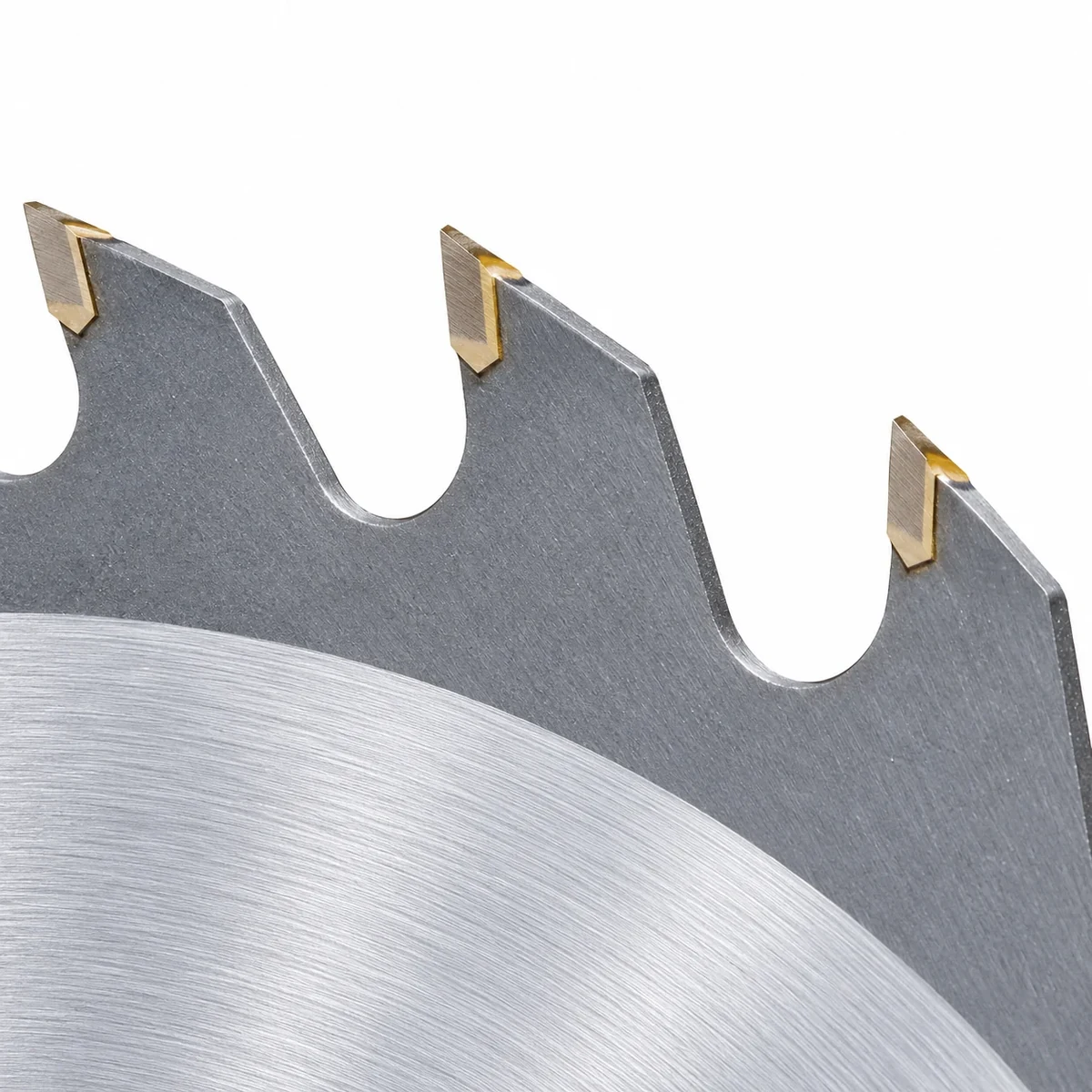
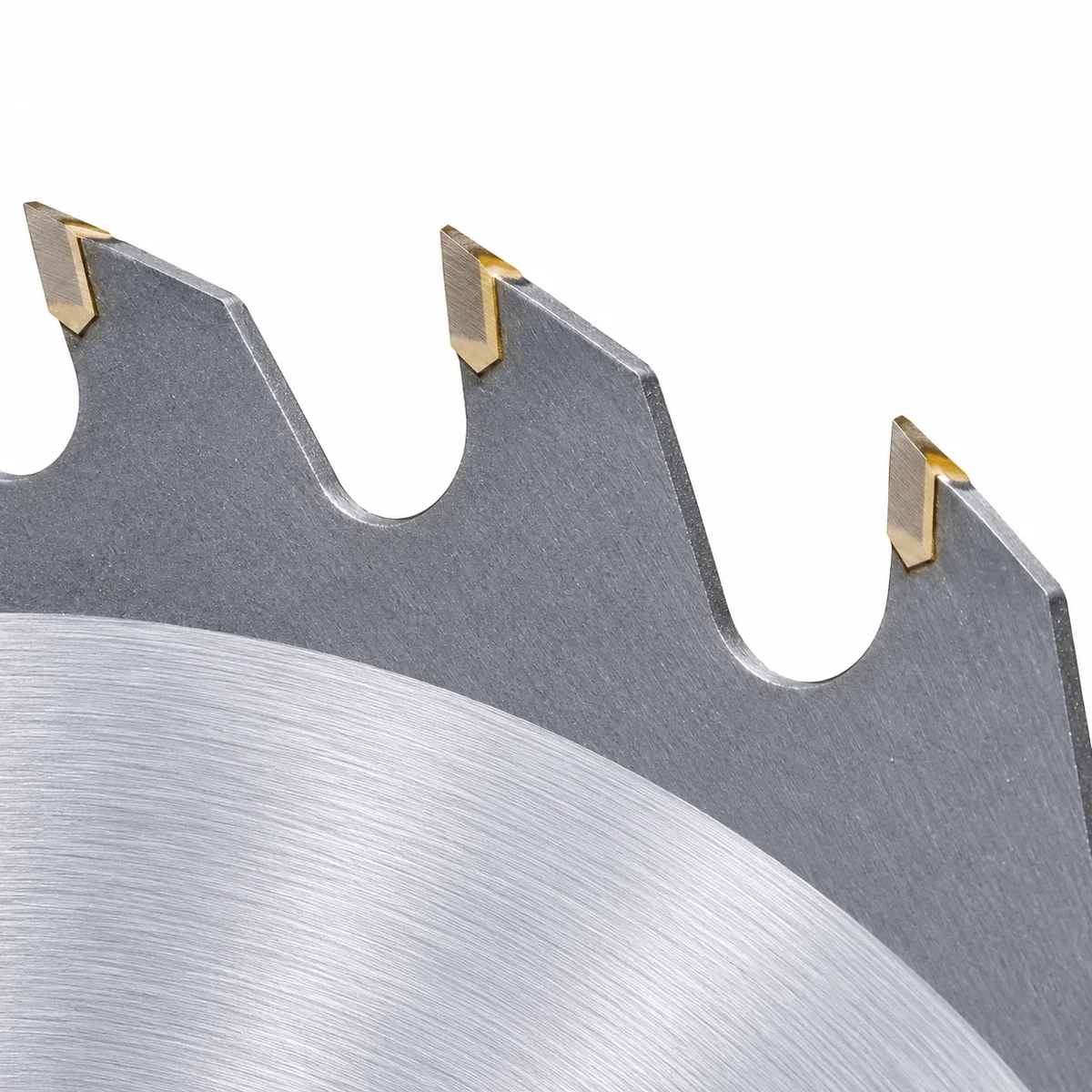
Tooth Material | TCT |
Tooth Geometry | ATB |
Max. Safe Speed | 8500 rpm |
Reduction Ring | 20mm / 3/4″ |
Cutting Result | Fine Cut |
Compatible Machines


Application

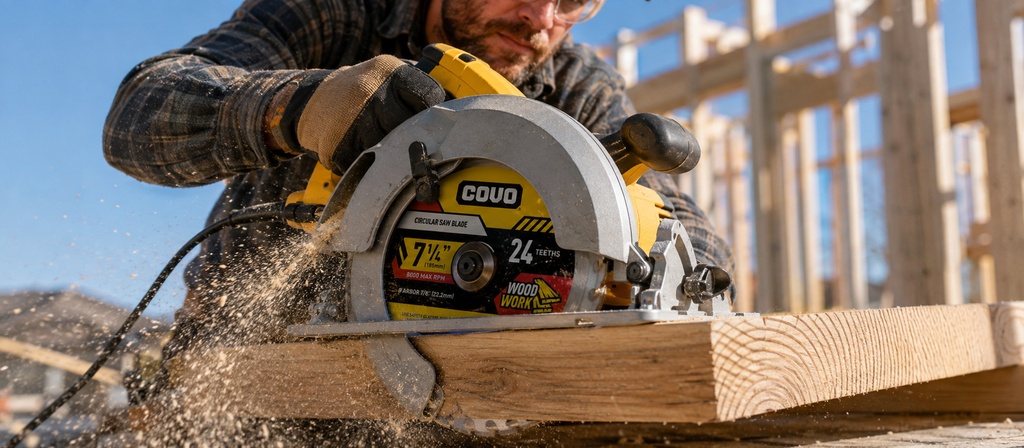
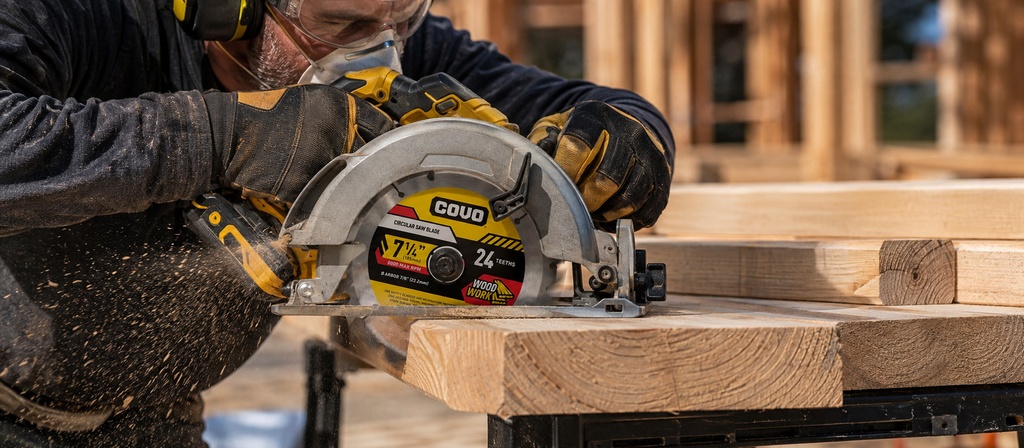
Safety Instructions

Eye protection
Please wear safety glasses

Hand Protection
Please wear protective gloves

Proper Disposal
Dispose of damaged or worn blades safely

Respiratory Protection
Please wear face respiratory mask
Frequently Asked Questions
his blade features carbide-tipped teeth, which are much harder and more wear-resistant than ordinary HSS (high-speed steel) teeth. It can occasionally cut through wood containing small nails, screws, or staples without immediate chipping.
However, please note:
- Not recommended for continuous metal cutting: Carbide is hard but also brittle. Cutting through metal objects continuously will cause tooth chipping or loss, drastically shortening blade life.
- Remove visible metal where possible: Use a magnet or visual inspection to pull out nails before cutting, if feasible.
- If you must cut nail-embedded wood: Reduce feed rate to minimise impact, and check the teeth for damage after each cut.
- Reclaimed wood may contain grit: Old lumber may have concrete dust or sand embedded, which also accelerates wear – clean the wood surface first if possible.
Follow these practices to maximise blade life and ensure safe operation:
Longevity tips:
- Keep the blade sharp: Dull blades create excessive friction, causing blade binding and kickback. Replace or have the blade professionally sharpened when cutting speed drops.
- Set the correct cutting depth: Adjust the blade depth so that it extends only about 3mm (1/8") beyond the wood thickness – this reduces friction and extends blade life.
- Let the blade do the work: Do not force the saw – let the blade cut at its own pace. Excessive pressure causes overheating and accelerated wear.
- Keep the blade clean: Regularly remove resin and sawdust buildup from the blade to maintain cutting accuracy.
- Use the right blade for the right material: This blade is for wood only – never use it on metal, concrete, or stone.
Safety precautions (critical):
- Check the guard: Before use, confirm that the lower blade guard retracts freely without sticking.
- Inspect the blade: Check for cracks, warping, or bending before each use. Never use a damaged, warped, or missing-tooth blade.
- Install correctly: Ensure the blade is concentric with the arbor, and the mounting flanges are at least 1/4 of the blade diameter.
- Use the right blade for the cut: Use this 24-tooth blade for ripping (with the grain); for crosscuts, a higher-tooth-count blade is recommended.
- Never use HSS (high-speed steel) blades: They can break easily and pose a safety hazard
A: This 7-1/4" (185mm) 24-tooth carbide-tipped circular saw blade is designed for fast, rough cutting of wood. It performs best on softwood, hardwood, dimensional lumber (e.g., 2×4s), plywood, OSB (oriented strand board), MDF (medium-density fiberboard), and laminated wood. It is the ideal choice for framing, wood structure construction, demolition work, and general job site applications.
24 teeth vs. more teeth:
- 24 teeth (this blade) – Fastest cutting speed, strong chip evacuation – ideal for ripping (cutting with the grain) and rough cuts, but leaves a relatively rough finish.
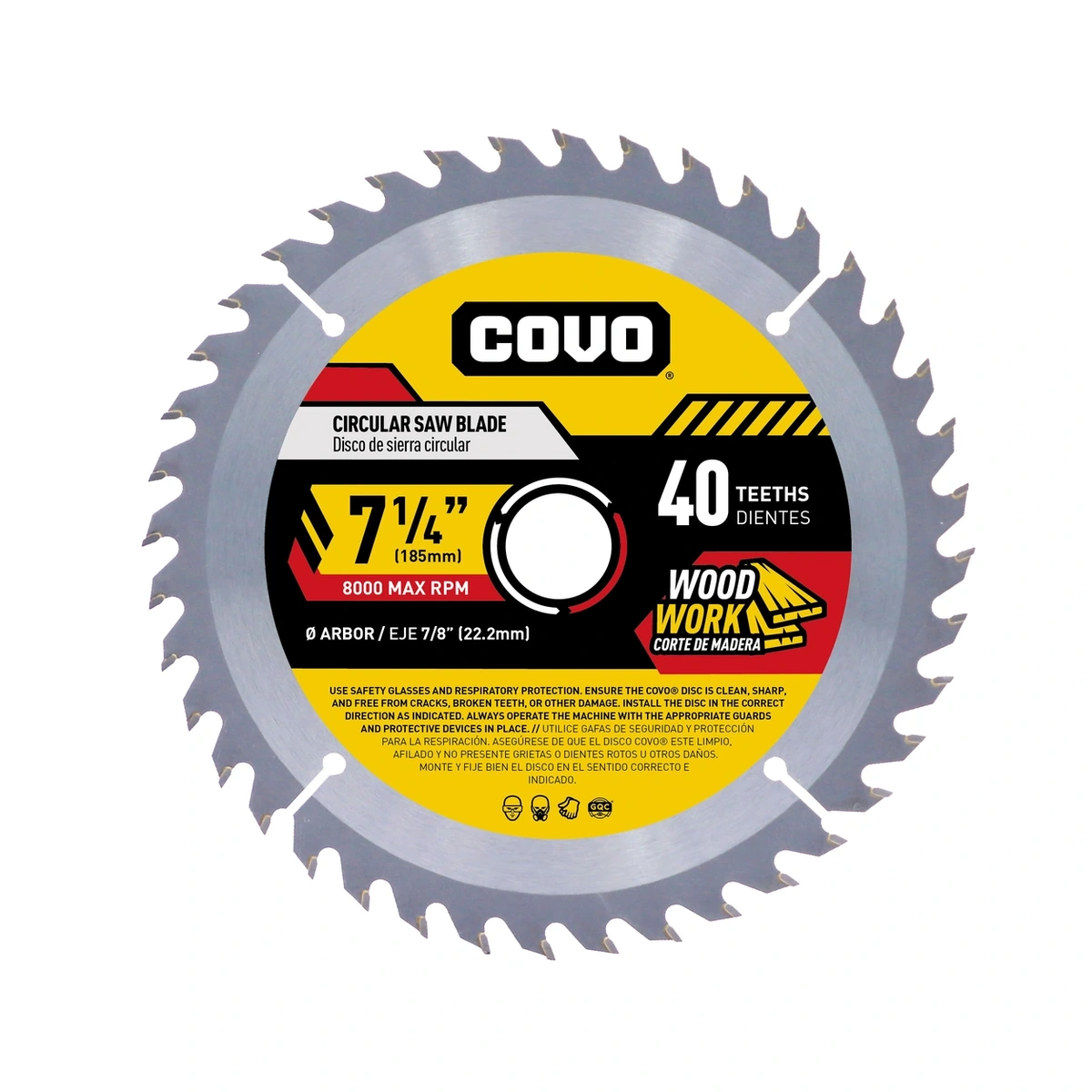
- 40–60 teeth – Medium speed, smoother finish – suitable for crosscuts and finer work.
- 80+ teeth – Slowest cutting, but extremely smooth finish – ideal for plywood and fine trim work