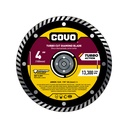








Product Specifications
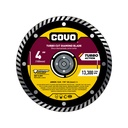
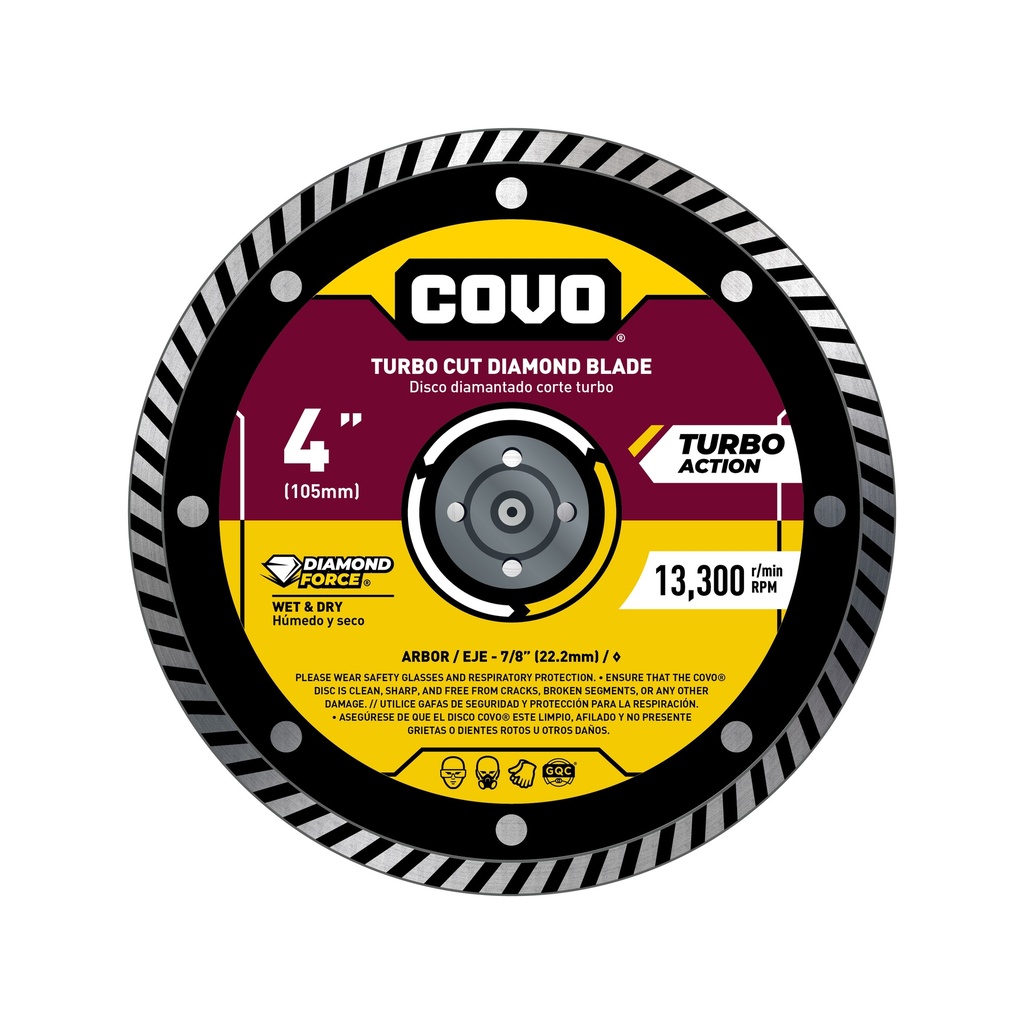
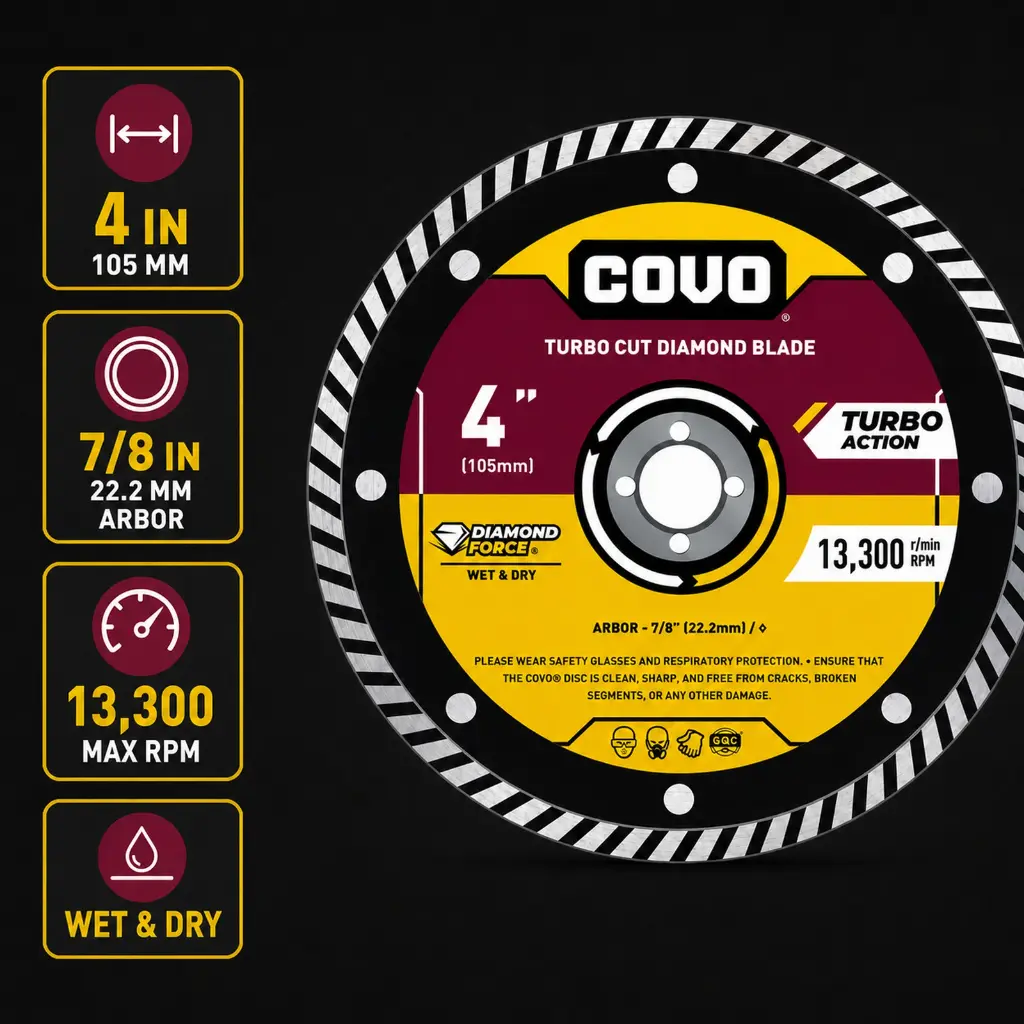
Specification | Details |
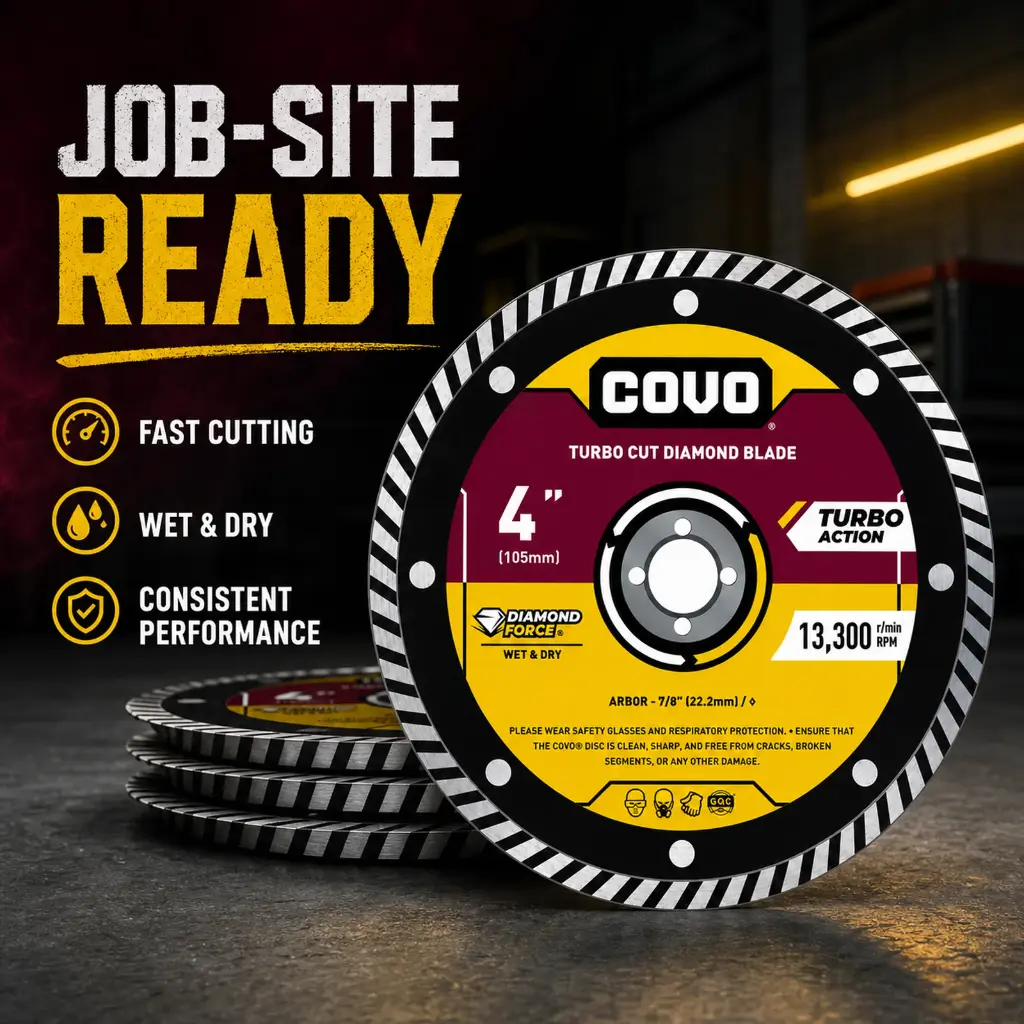
Diameter | 105mm / 4" |
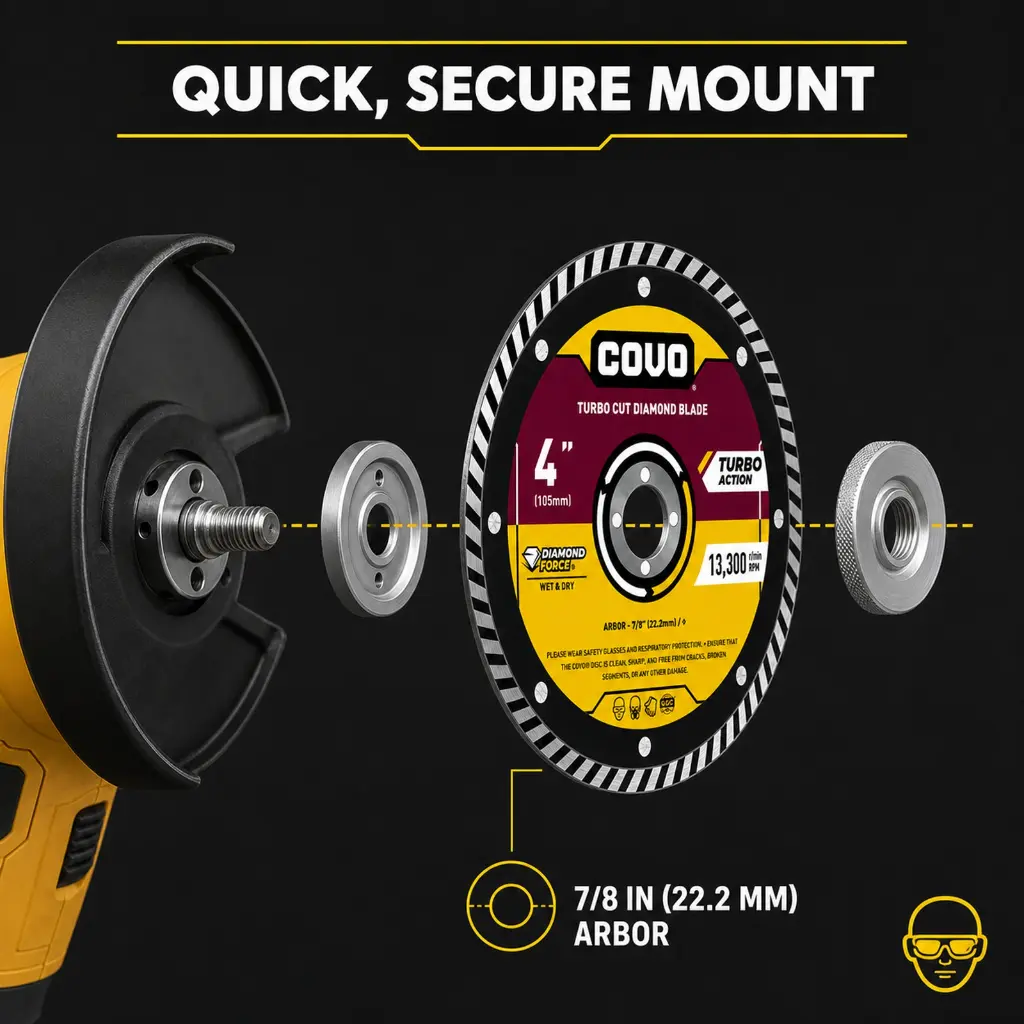
Bore Size | 22.2mm / 7/8" |
Segment Height | 7mm / 9/32" |
Segment Thickness | 2.2mm / 3/32" |
Max. Safe Speed | 13,300 RPM |
Cutting Method | Dry / Wet |
Adapter Rings | 22.2mm–20mm and 22.2mm–16mm adapter rings |
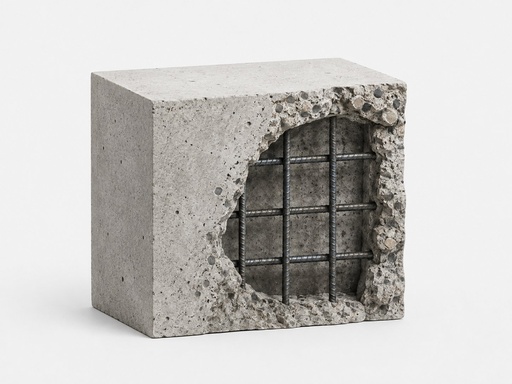
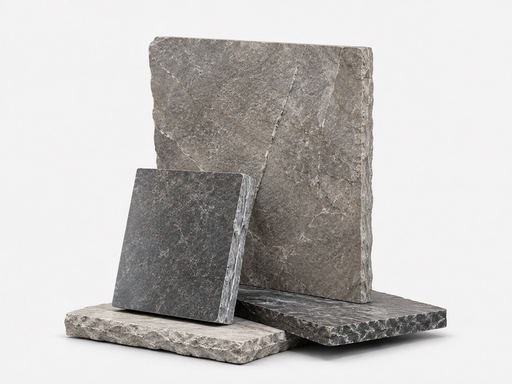
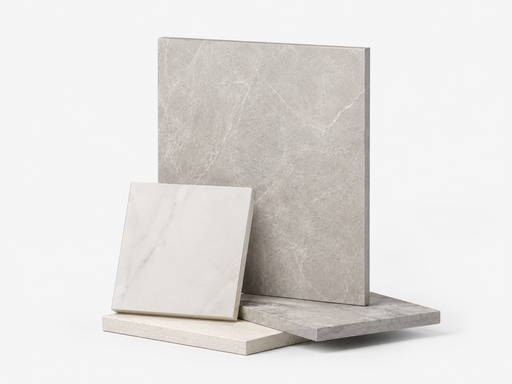
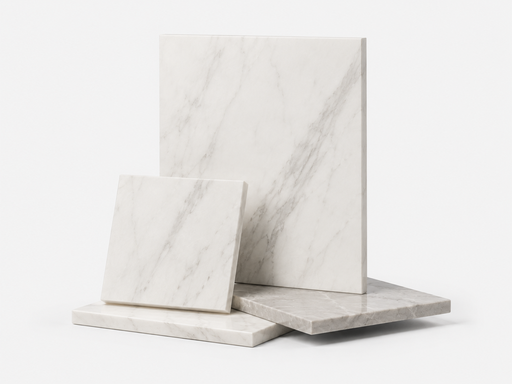
Suitable Materials

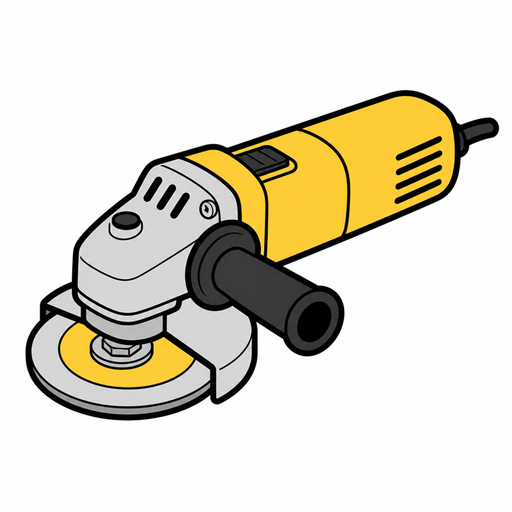
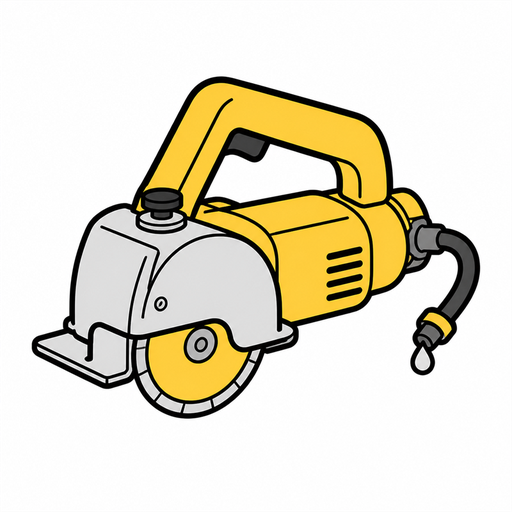
Compatible Machines
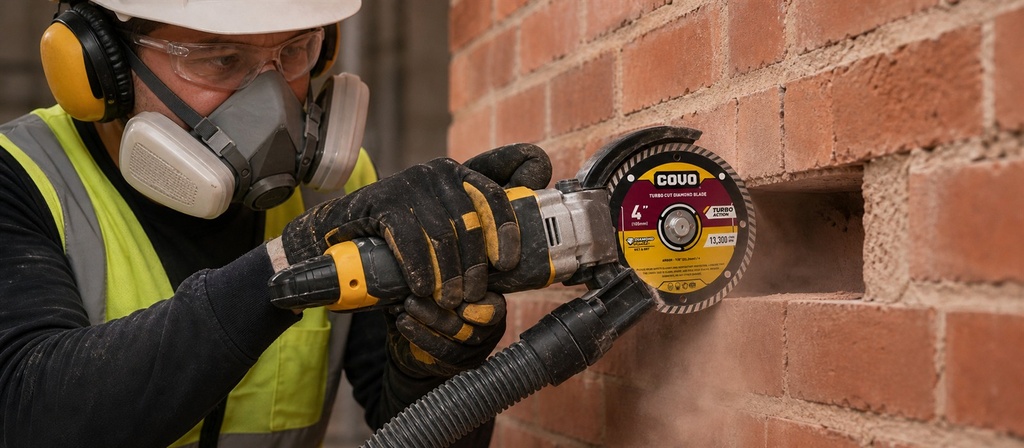
Application


Safety Instructions

Eye protection
Please wear safety glasses

Hand Protection
Please wear protective gloves

Proper Disposal
Dispose of damaged or worn blades safely

Respiratory Protection
Please wear face respiratory mask
Frequently Asked Questions
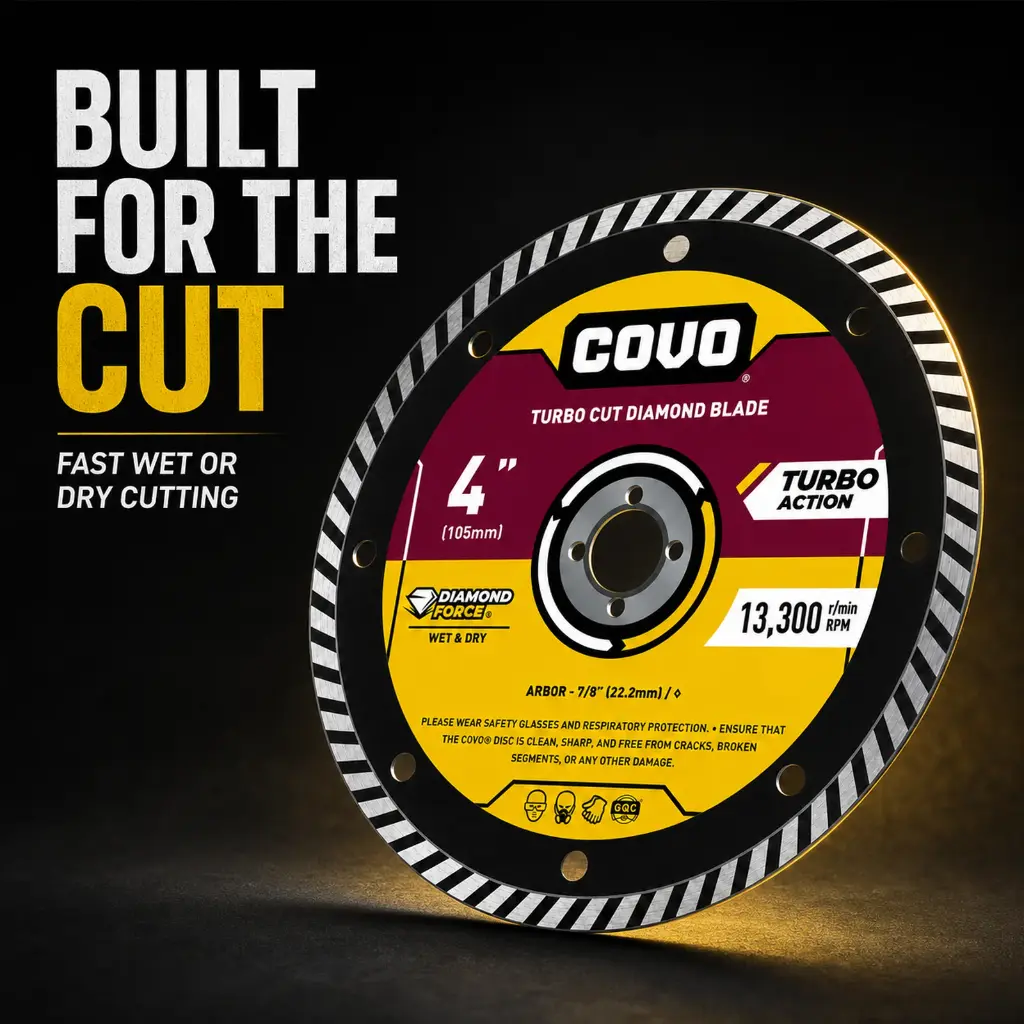
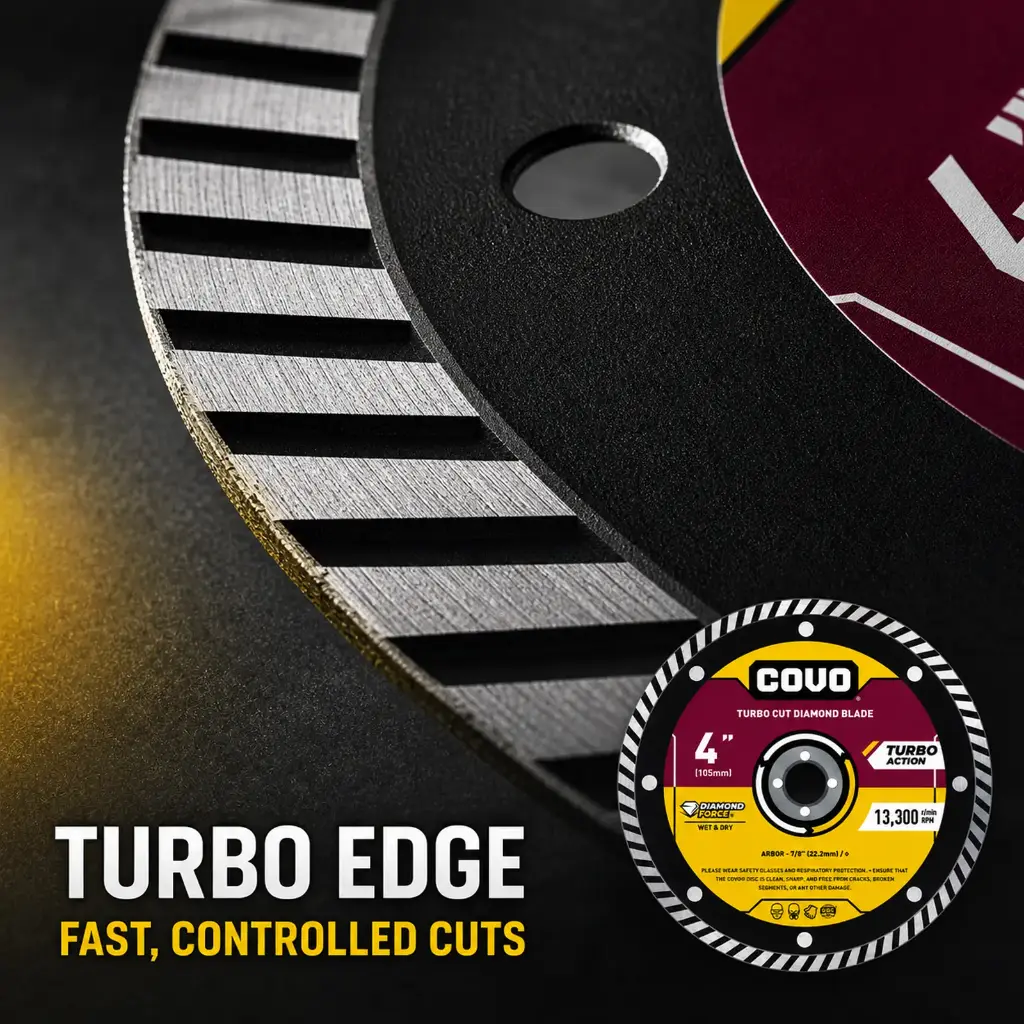
The coarse turbo rim helps provide faster cutting, efficient debris removal, and better cooling during operation. It is especially suitable for rough concrete cutting where speed and durability are more important than an ultra-smooth finish.
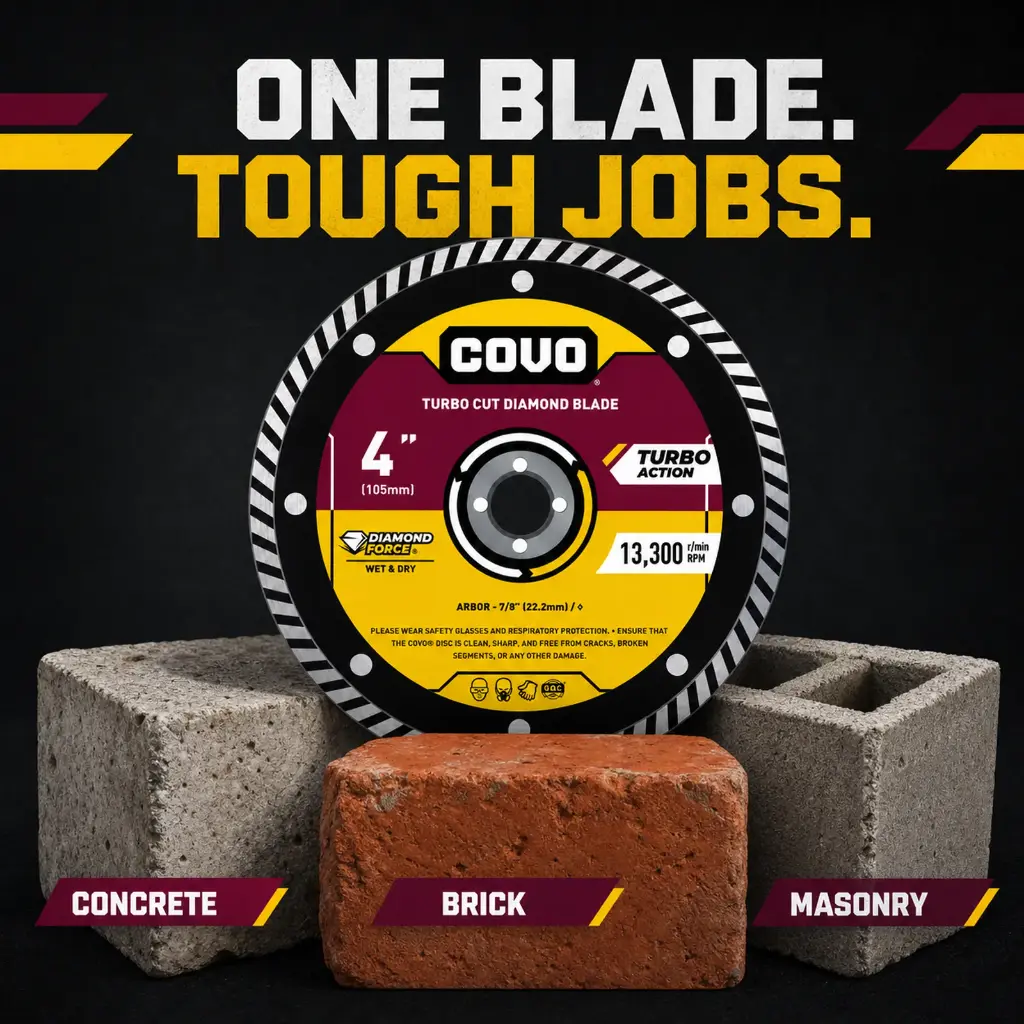
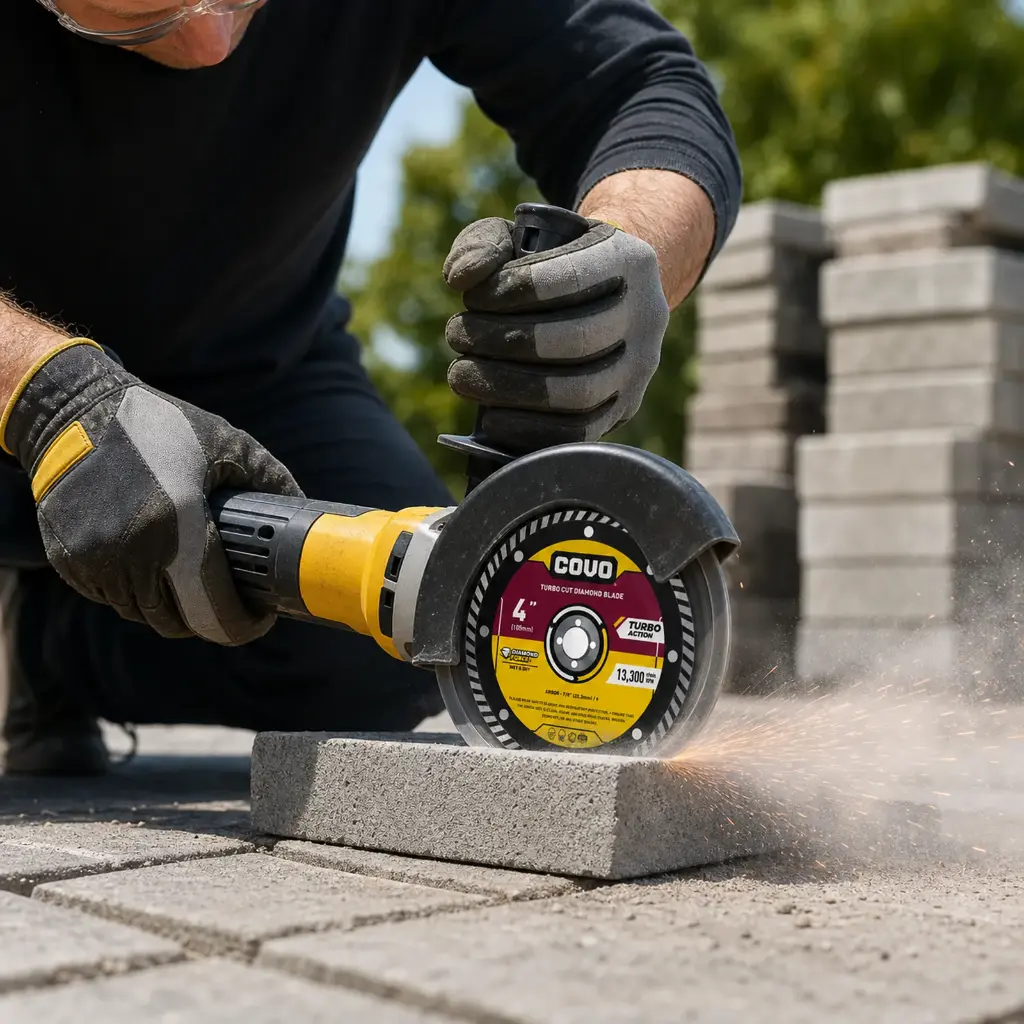
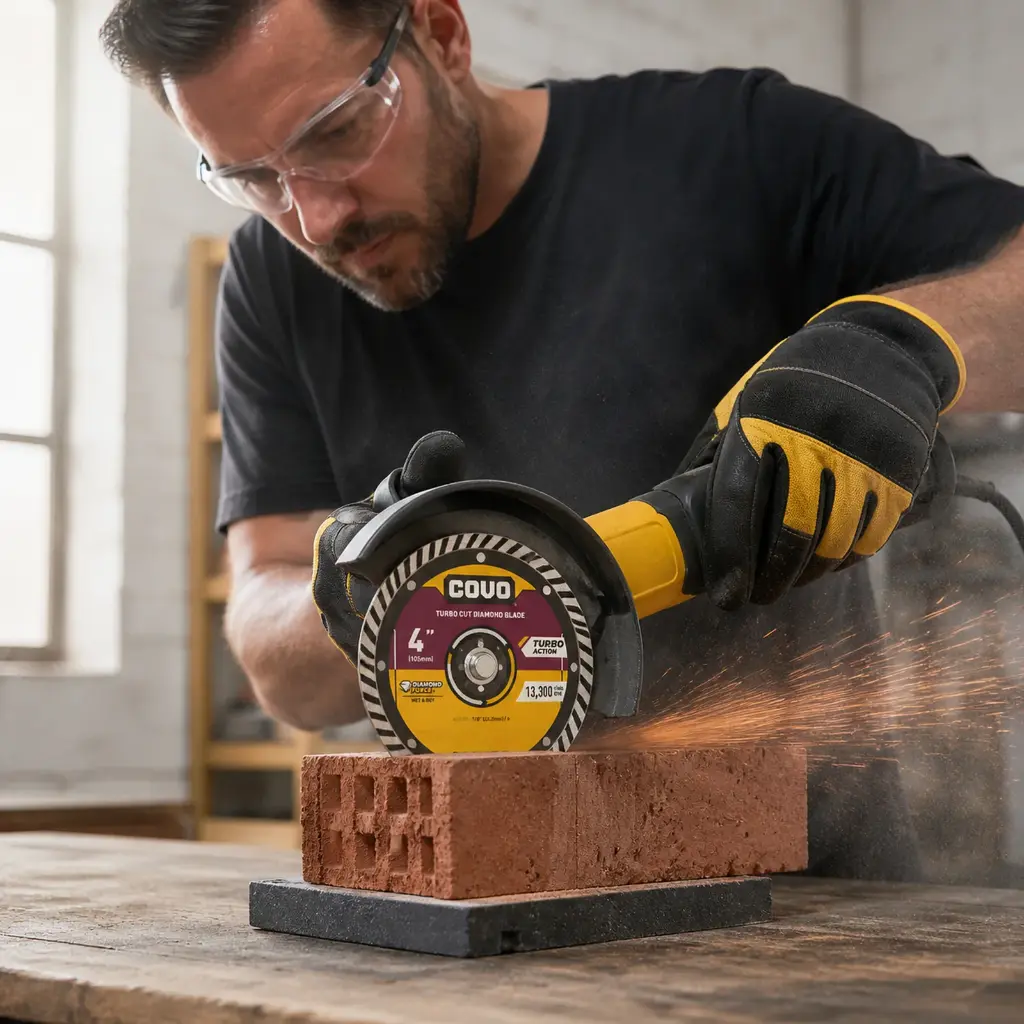
his 4½‑inch turbo diamond blade is designed for fast cutting of rough concrete, masonry, blocks, asphalt, and coarse stone, and can also handle light rebar (though avoid dense rebar areas). It is a top choice on construction sites, road repair, and demolition work.
The unique position of the turbo rim:
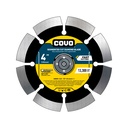
- Compared to standard segmented blades: The turbo rim has smaller, denser teeth, resulting in less vibration and smoother cut edges with noticeably reduced chipping – ideal for rough cutting where edge quality still matters.
- Compared to continuous‑rim blades: The turbo rim features gullets for debris evacuation, giving faster cutting speed and better heat dissipation, plus it supports dry cutting, unlike continuous‑rim blades which are often wet‑only.
In short, the turbo blade is the best balance of speed and finish – more refined than segmented, faster than continuous – making it the most versatile all‑rounder for rough concrete cutting.
Follow these practices to maximise blade life and ensure safe operation:
Longevity tips:
- "Break in" new blades: Before first use, make 3–5 shallow cuts on a soft abrasive (e.g., old cinder block or sandstone) to expose diamond grit and prevent initial skipping.
- Let the blade cut freely: Do not force it – let the grinder's power and blade weight do the work. Excessive pressure causes overheating, wobble, and accelerated wear.
- Maintain proper speed: Use a grinder of ≥ 800W and ensure the no‑load speed is within the blade's rating (typically ≤ 13300 RPM). Too low reduces efficiency, too high is dangerous.
- "Sharpen" if glazed: If cutting speed drops and the surface looks smooth, cut through an abrasive block or old brick a few times to re‑expose fresh diamonds.
- Clean after use: Remove debris from the blade to prevent corrosion or imbalance.
Safety precautions:
- Always use the guard: A high‑speed blade is dangerous – never remove the guard.
- Wear full PPE: Safety goggles, dust mask (essential for dry cutting), ear protection, cut‑resistant gloves, and steel‑toe boots.
- Check mounting direction: Ensure the arrow on the blade matches the spindle rotation.
- Inspect before each use: Check for cracks, warping, or tooth damage – discard immediately if found.
- Match RPM: Confirm the grinder's max speed does not exceed the blade's maximum RPM marked.